

Stop Waiting for Your Oven to Warm Up: The Case for IR Heating
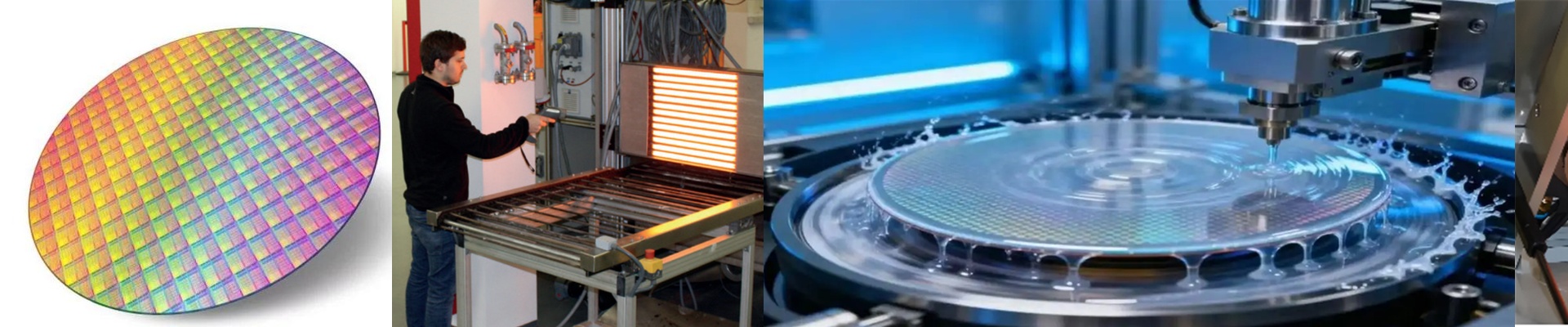
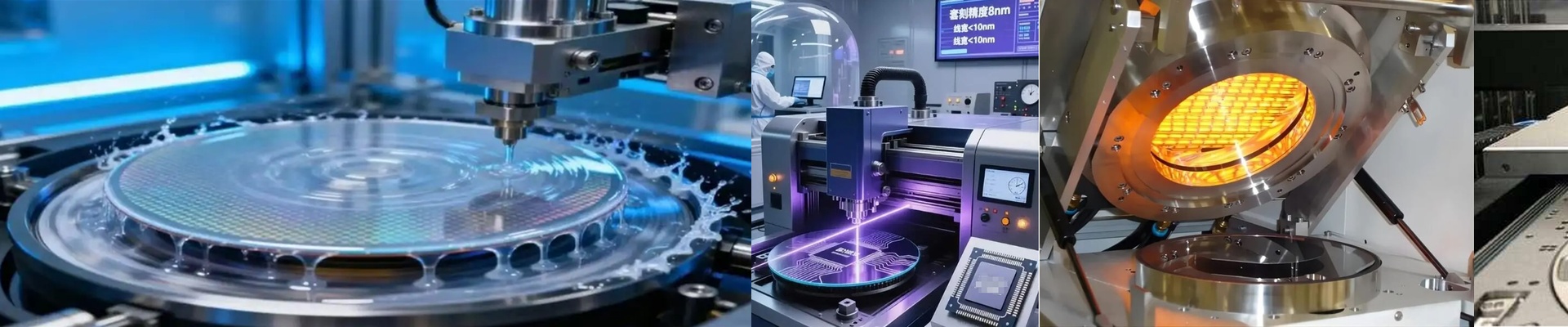
If you’ve spent any time in semiconductor processing, you know the frustration of waiting. Specifically, waiting for forced hot-air systems to finally hit the right temperature. It feels like forever. That’s why a lot of us are moving toward infrared (IR) bench lamps. Here is the real difference: hot air is slow. You have to heat the air, then the chamber, and only then does the heat actually reach your workpiece. It’s a middleman problem. IR lamps just cut out the middleman. They beam radiant energy straight into the substrate. It’s fast. Really fast. When you use hot air, you’re dealing with massive thermal inertia. You’re stuck staring at a timer for minutes just to get to your set-point. With IR, you’re at operating temperature in seconds. For an engineer, that’s a huge win. That annoying “warm-up” window basically disappears. You spend less time waiting and more time actually processing, which means your total cycle time per batch drops significantly. Plus, there’s the cleanroom factor. Moving air is a gamble. Even with the best HEPA filters, blowing high-velocity hot air across a bench is basically an invitation for particles to land where they shouldn’t. IR lamps just sit there. They don’t blow dust, they don’t kick up debris, and they don’t mess with your wafers. And because you don’t need those massive blowers or a maze of ducting, your equipment takes up way less space on the floor. But look, it’s not a magic wand. There are things you have to watch out for. Because the heat hits so fast, it’s easy to overshoot your target temperature if your PID controllers aren’t dialed in perfectly. You also have to deal with “shadows.” If your parts are stacked or overlapping, the IR waves can’t reach the hidden spots. You’ll need to be smart about your lamp spacing and reflectors to make sure everything gets hit evenly. If you get that wrong, you’ll end up with hot spots that can warp your thin-film substrates, and that’s a headache nobody wants.