

Stop Heating the Air and Start Heating the Part
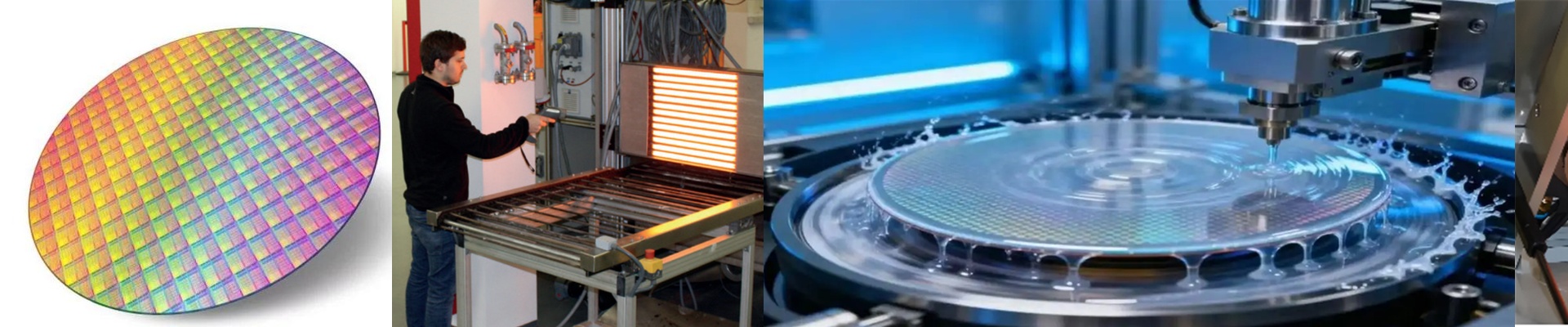
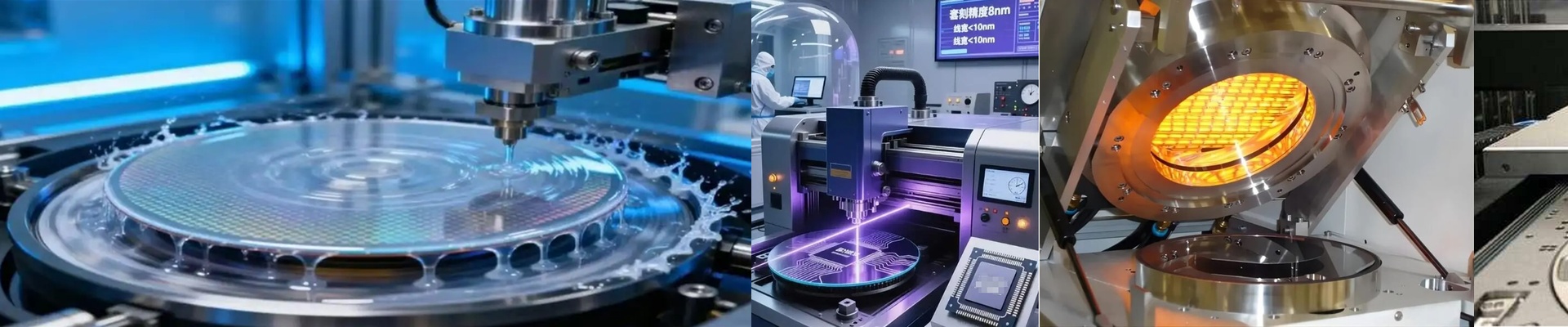
If you’re still using forced hot air for curing and drying in your semiconductor line, you’ve probably noticed the same annoying bottleneck. Air is just terrible at moving heat. You end up sitting around waiting for the air to actually warm up the substrate. Meanwhile, you’re burning a ton of energy just to heat up the entire volume of the oven. It’s a waste. Here’s a better way: Ozone-free infrared (IR). Instead of relying on air, IR lamps use electromagnetic radiation. It hits the workpiece directly. No waiting for a convection cycle to balance out, no idling. You just get a much faster ramp-up. It’s a simple shift from conduction to radiation, and it saves a massive amount of time. But there’s a catch with standard IR. Usually, shortwave IR can create ozone because of how the wavelengths hit oxygen molecules. In a cleanroom, ozone is a nightmare. It eats away at your tooling and messes with sensitive components. To fix this, we use filtered emitters and specific quartz blends to block that VUV (Vacuum Ultraviolet) spectrum. You get the heat you need, but the process stays clean. Plus, you don’t have to install those giant, noisy exhaust systems just to scrub the air. Now, let’s be real—this isn’t a “plug and play” miracle. You have to get your reflectors right. If they’re off by a bit, you’ll get hot spots. And in this business, a hot spot means a warped wafer or a ruined batch. Also, IR puts out a lot of intense, localized heat. Before you switch, check your chassis. You might need to add some cooling fans to the lamp housing so you don’t accidentally melt your own wiring. At the end of the day, if you want to push more throughput through your line, this is the move. Stop fighting with the air and just heat the part.