

Introduction
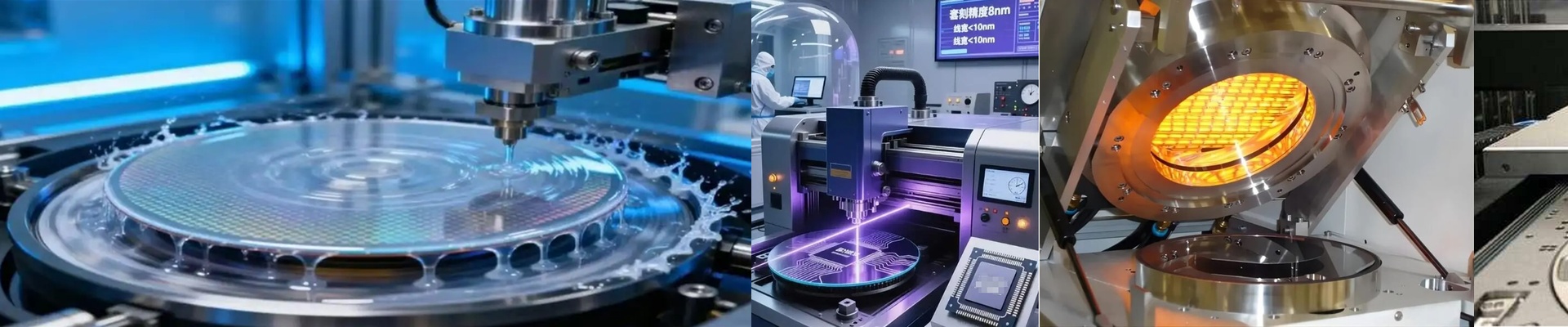
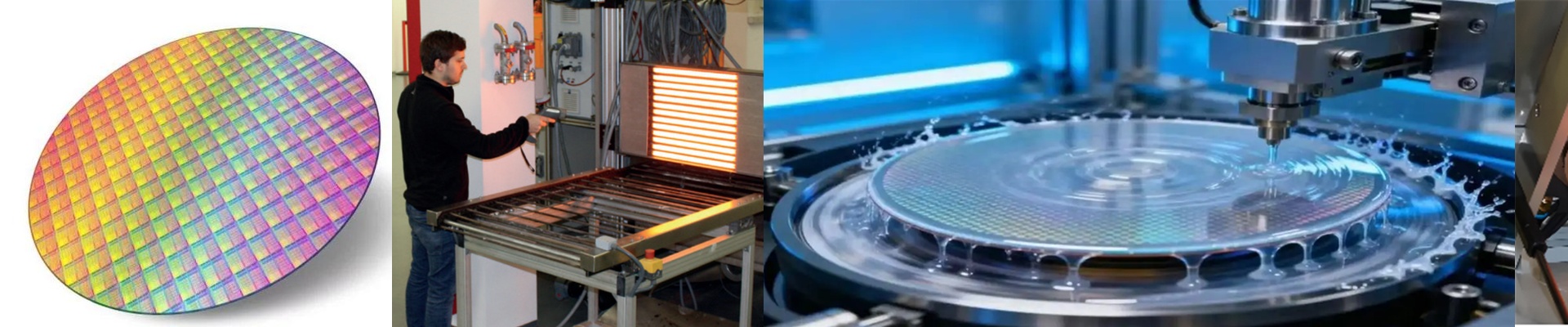
We built these waterproof infrared halogen lamps for one reason: to make the rinse and dry steps in semiconductor manufacturing just work. The goal is simple—hit the surface with fast, even heat to wipe out rinse residue, without adding contamination. And do it in a way that’s clean for the planet: lead-free, low-energy, and compliant. In the real world, that means a lamp that can take a daily washdown, crank out serious heat on demand, and slip into your existing setup without a fight.
Power, Voltage, and Size—What Actually Matters
Here’s the heart of it: we concentrate the energy where you need it. A typical unit runs on 400V and pulls up to 2500W. That kind of punch is what lets you flash-dry water and solvents in seconds. The tube is 300mm long, so the infrared heat stays focused over the rinse track or drying lane—no wasted heat drifting onto nearby sensors, motors, or plastic housings. But with big power in a small package, cooling matters. Make sure your machine has the airflow and heat sinking to keep temperatures around the lamp and socket in a safe range.
The Materials and Design—Built to Survive the Process
We use a halogen-filled quartz envelope because it can handle the shock of repeated on/off cycles and stand up to the chemicals during rinse exposure. The quartz is coated to steer the energy toward shorter wavelengths—the kind that water films and metal surfaces absorb efficiently. So you get fast evaporation without scorching the substrate. And the R7s base? It’s there for one reason: solid, high-current connections. It locks in cleanly, keeps alignment consistent in the reflector, and makes lamp changes predictable. The waterproof seals at the ends keep moisture out, so you don’t get early burnout or corroded contacts in rinse-heavy environments.
What This Looks Like on the Line
In semiconductor rinse curing, you need three things: speed, cleanliness, and reliability. The high heat density cuts drying time, which helps your line keep moving. And because it’s lead-free and solvent-free, you’re working in line with environmental standards, while cutting down on volatile organic compounds—making compliance and air handling simpler. Since the lamp is waterproof and washdown-ready, it can handle daily cleaning without falling apart. That means fewer surprise stops for lamp swaps and less downtime chasing inconsistent drying results. If you want a drying block that’s repeatable, low-maintenance, and ready for modern environmental and reliability demands, this is the practical, field-proven way to get it done.