
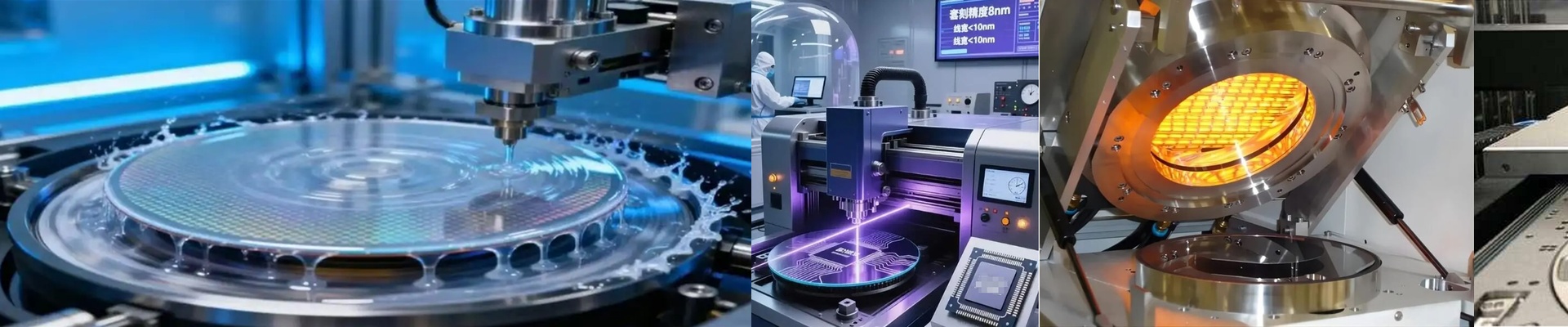
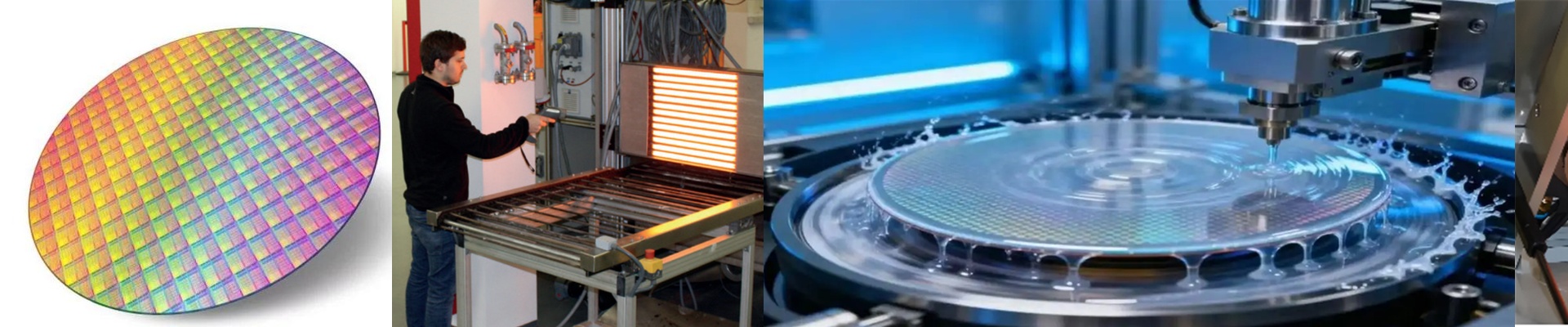

On the fab floor, the photoresist bake isn’t a “pause.” It’s a hard constraint. If the hot plate drifts, CD control goes with it. If uniformity is off, you watch yield slip across the wafer. In MEMS, the thermal budget is tight and the stack is touchy—temperature error doesn’t stay small for long.
What matters, technically
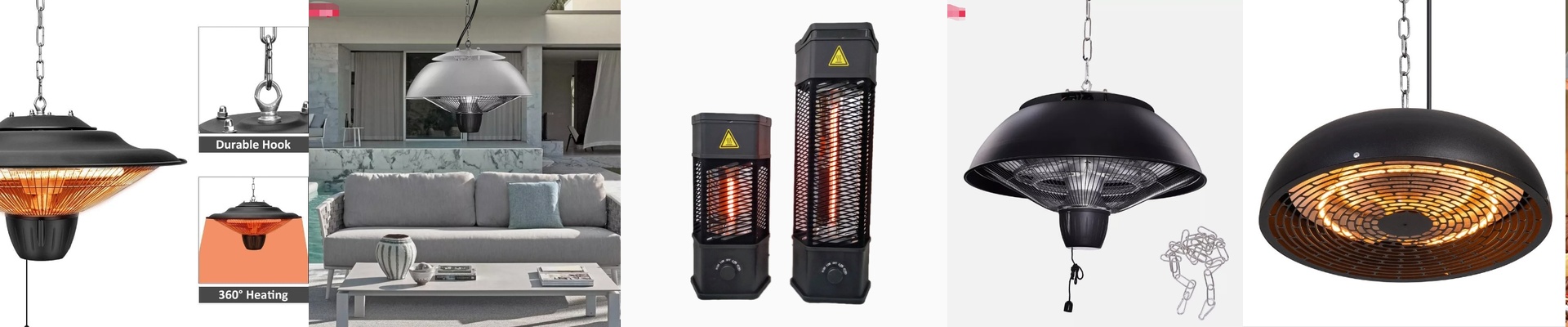
We built this infrared heater to keep MEMS thermal control honest: short-wave IR for fast response, quartz-halogen elements for stable output, and a closed-loop design aimed at wafer-level uniformity within ±0.1°C. The hot zone is engineered to live in Class 1–100 cleanrooms, with materials and finishes chosen to keep particle generation at zero and outgassing out of the equation. The point is repeatability—every bake, every lot, every day.
Why it fits the MEMS workflow
In MEMS, you run soft bake and hard bake with razor-thin margins. This heater delivers the same temperature profile, cycle after cycle, so both line-of-sight and non-line-of-sight features develop consistently. The fast ramp cuts thermal soak time, shortening cycle time without giving up cross-wafer uniformity. Energy use drops because we’re heating the target zone, not the whole frame. Reliability shows up as uptime: in sustained production we see zero unplanned downtime, and maintenance stays predictable—no surprises, no emergency calls.
What you need to plan for
Installation comes down to matching the tool interface and confirming voltage and cooling—typically 240V and a dedicated air or water cooling line. The heater integrates with standard lithography and track setups, but keep the optical path clear; any obstruction changes the thermal pattern. **Plan cleanroom clearance early.**Tight bays mean you need the right footprint and service access. Get that right, and the process window opens up—then the data sheet is all the opinion you need.