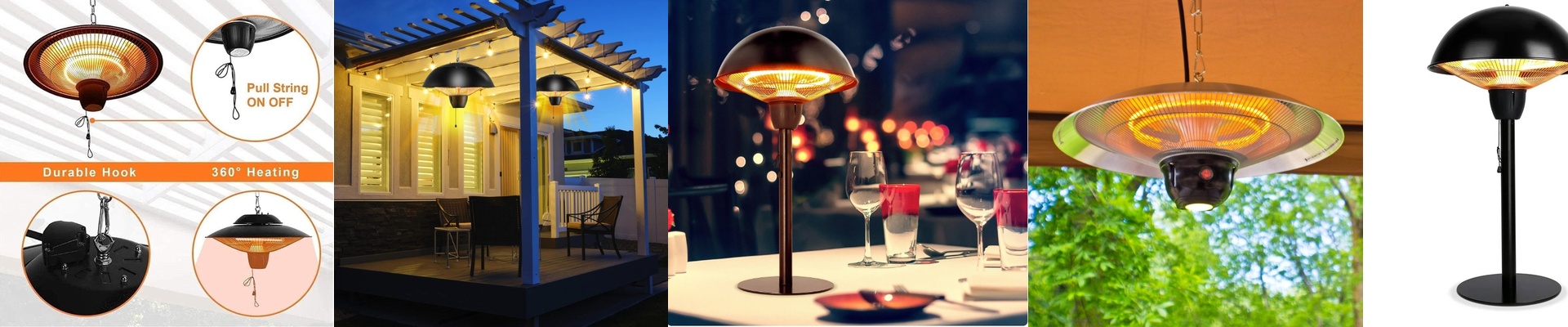

Winter on the homestead doesn’t wait around for the sun to come back. When the sky finally clears, your solar array does its job, but evenings still bite—especially if your cabin, workshop, or van runs off a modest battery bank. A portable infrared heater changes the feel of those hours. It throws radiant warmth straight at people and objects, so you feel cozy much faster, without trying to heat the entire volume of air.
What matters under the hood
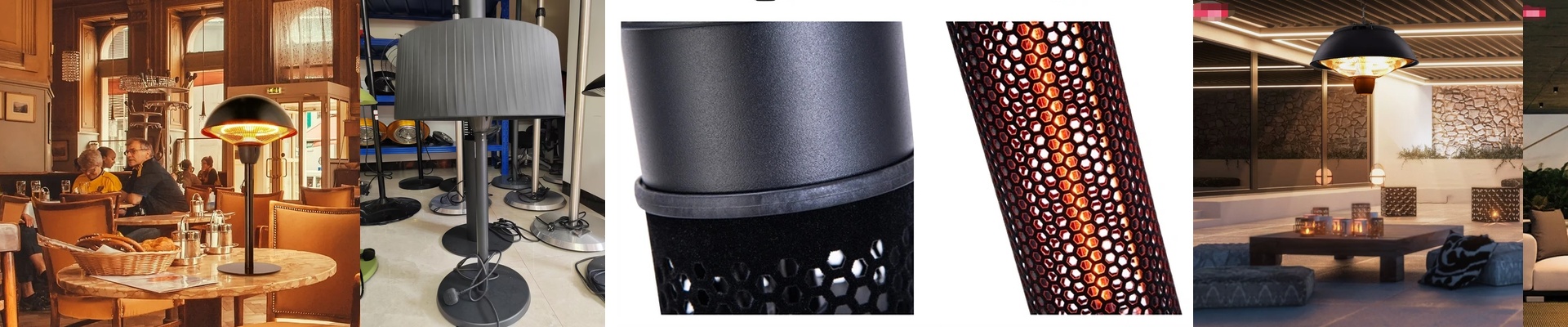
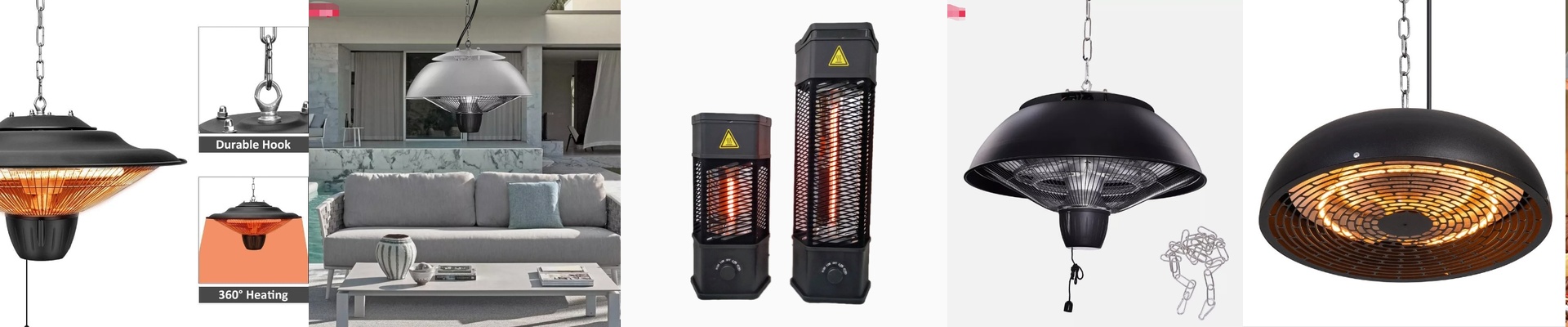
We built this portable infrared heater around a carbon fiber element. It heats up quickly and holds output steady. The unit draws 800–1200W, which plays nicely with common off-grid inverters and battery setups. The pattern is focused and wide, sending radiant heat out in a broad arc so you stay comfortable within a few feet. A built-in thermostat keeps the space from swinging between too hot and too cold, and tip-over protection cuts power the moment the unit gets knocked over. For outdoor-ready installs, we spec an IP rating that handles damp conditions, and the housing stays cool to the touch.
Why solar and infrared pair so well
Solar PV and a portable infrared heater are a practical team because the timing lines up. Peak sun hours top off your batteries, then the heater runs when demand is highest—at dusk and after dark—right when you actually need the heat. In a properly sized off-grid setup, that direct use of stored electricity can move your evening self-sufficiency from “getting by” to staying warm through the night without firing up a generator. You also get comfort faster. Radiant warmth hits skin and clothes first, so you stop shivering in minutes, even when the air is still cool.
What to keep straight on the install
Size the inverter and battery bank to the heater’s wattage and your planned runtime, and make sure the plug, cable length, and breaker match the load. Because infrared warms people directly, the heater performs best when you’re in its comfort zone—roughly three to six feet away. In windy or exposed spots, placement matters. Shield the unit from direct gusts so the warmth stays where you want it. Used with a bit of thought, this is how you turn daytime solar into dependable evening comfort.