

A smart home that chases comfort but lets the energy bill run wild is missing the point. The real win comes when the heating element itself thinks in seconds, not hours. That’s why a low-thermal-inertia infrared electric heater is the quiet workhorse behind any home setup that actually controls energy, not just the temperature.
What matters under the hood
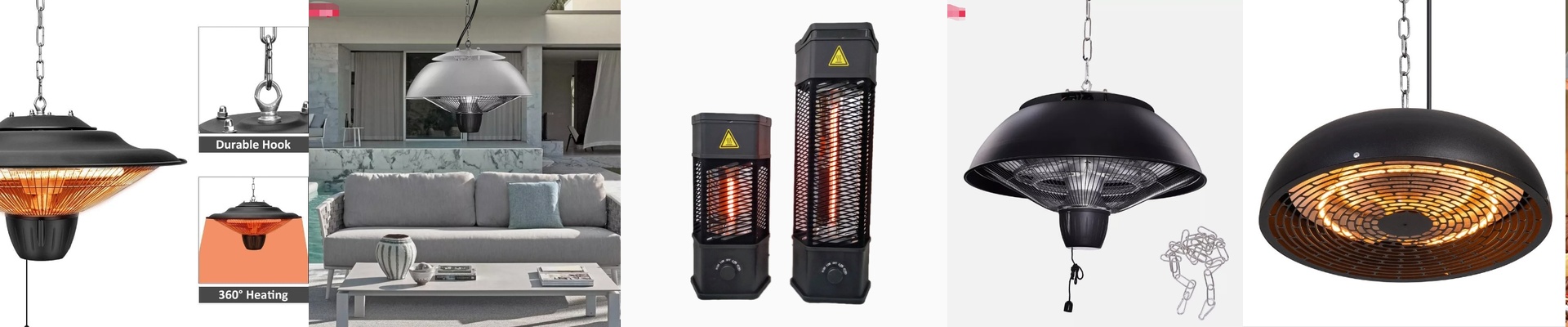
Infrared warmth is radiant heat, plain and simple. It warms people and objects directly, instead of wasting time heating the air. Our energy-saving electric heater uses a carbon fiber element with low thermal mass, so it hits target output almost instantly. That translates to fast response: the heater cycles on and off in tight, clean pulses, following the thermostat without overshoot. In practice, you get less wasted heat, lower standby losses, and a room feel that stays steady. For indoor use, pair it with a compatible thermostat to tighten those cycles even more.
Why this pairs so well with smart control
Smart home control is only as good as the hardware it’s talking to. Traditional heaters hold heat long after the room is warm, forcing the system to wait while comfort drifts. A low-inertia infrared heater reacts quickly, so your smart controls can make small, frequent adjustments instead of big, expensive ones. You get cozy comfort on demand, and your energy use stays disciplined because the heater stops delivering the moment the setpoint is hit.
Practical notes from the field
Infrared heats surfaces and people first, so the air temperature reading may be a little lower than what your body feels. For best results, size the unit to the room and prioritize direct line-of-sight coverage. Because response is fast, pairing with a smart thermostat is recommended to avoid short cycling in very small spaces. This is an electric heater, so it needs a standard outlet and should be placed away from moisture—even indoors—to keep operation smooth and safe.