

Why we’re switching to Carbon Fiber IR Lamps for Semiconductor Curing
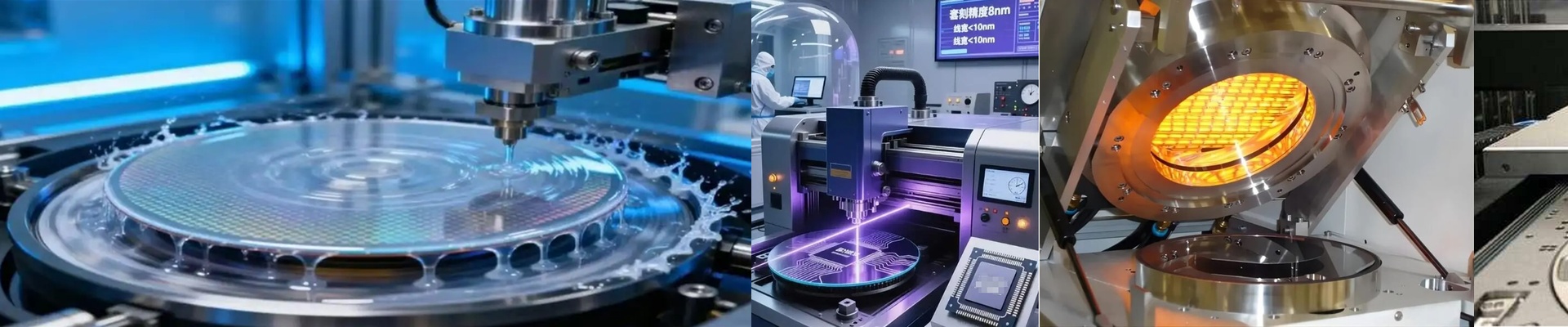
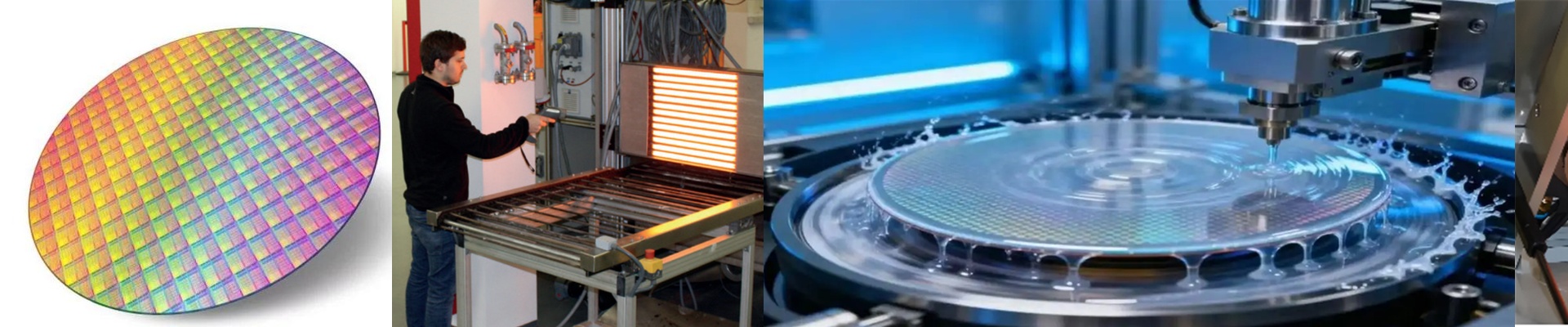
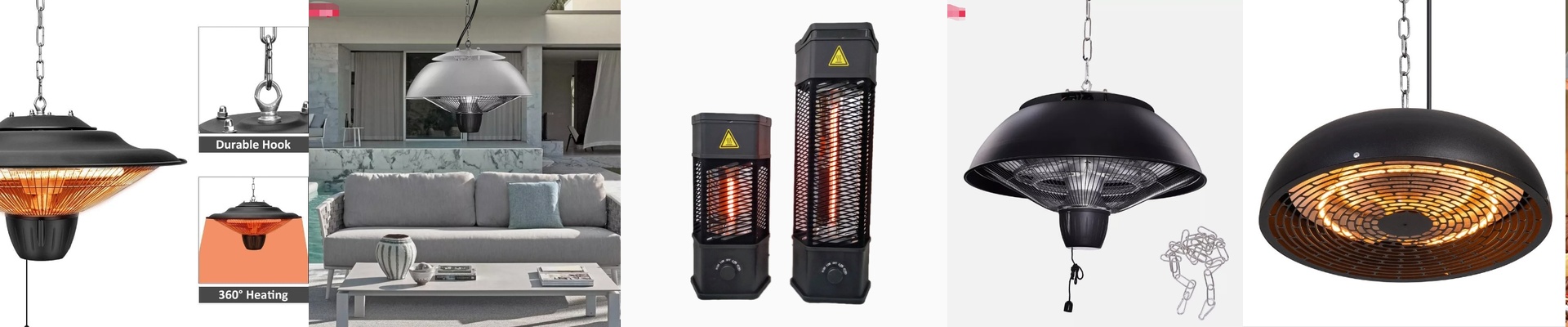
Let’s be honest: the old way of doing things—solvent-based drying and those massive convection ovens—just doesn’t cut it anymore. They’re slow, they’re bulky, and they’re a pain to manage. That’s why we’ve moved toward carbon fiber infrared (IR) lamps. Instead of wasting time heating up all the air in a room, these lamps go straight for the substrate. It’s a much cleaner way to work, and it fits right in with the push for “green” and lead-free manufacturing. How the tech actually works Forget about those old metal filaments that just get hot because a wire is resisting current. We use a carbon-based filament tucked inside a quartz envelope. It pumps out a high intensity of medium-to-long wave IR radiation. The best part? That energy sinks right into the photoresist or adhesive layers. You don’t need a combustion source, and you don’t have to deal with those ozone-generating UV lamps. It’s just clean heat. No VOCs, no mess. Speed and power (with a warning) These lamps are fast. Like, really fast. Because the carbon filament doesn’t hold onto a lot of heat, it ramps up almost instantly. You aren’t burning through kilowatts just to keep a giant oven idling while you wait for the line to move. But here’s the thing: the heat density is intense. If you’re running a high-wattage array to keep a fast line moving, you’ve got to make sure your conveyor cooling zones are actually big enough. If you skimp there, you’ll end up warping your wafers or overheating the edges. Making it work in the real world If you’re working with lead-free soldering or eco-friendly adhesives, you know how finicky they can be. They need a very specific thermal profile to cure without ruining the components. With carbon fiber IR, we can tune the wavelength to match exactly what the material needs to absorb. It means we can stop relying on those harsh chemical catalysts. Plus, it’s a huge space-saver. You can swap out an old convection system and basically cut the footprint of your curing station in half. You stop heating the whole room and start heating only the part that actually needs it.