

Why we’re swapping forced air for IR in the cleanroom
When you’re deep into semiconductor processing, everything comes down to one thing: time. Specifically, how much of it you’re wasting. Most of us have dealt with the slog of curing, drying, or baking. You’re just sitting there waiting for the equipment to catch up. That’s usually where the bottleneck happens.
The problem with heating the air
Think about a standard forced air oven. You’re heating up the air, and then hoping that air heats up your part. It’s a slow process. There’s this lag—this “thermal inertia”—that just eats your day. And in a cleanroom, you can’t just crank the fans to 11. If you push the air too hard, you start kicking up particles. Now you’re not just waiting; you’re risking your yield. It’s a frustrating trade-off.
A faster way to do it
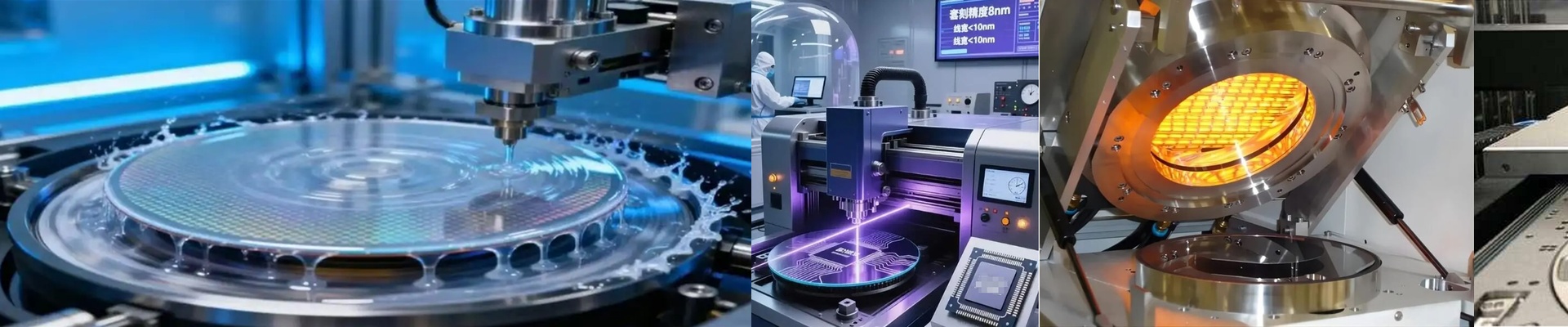
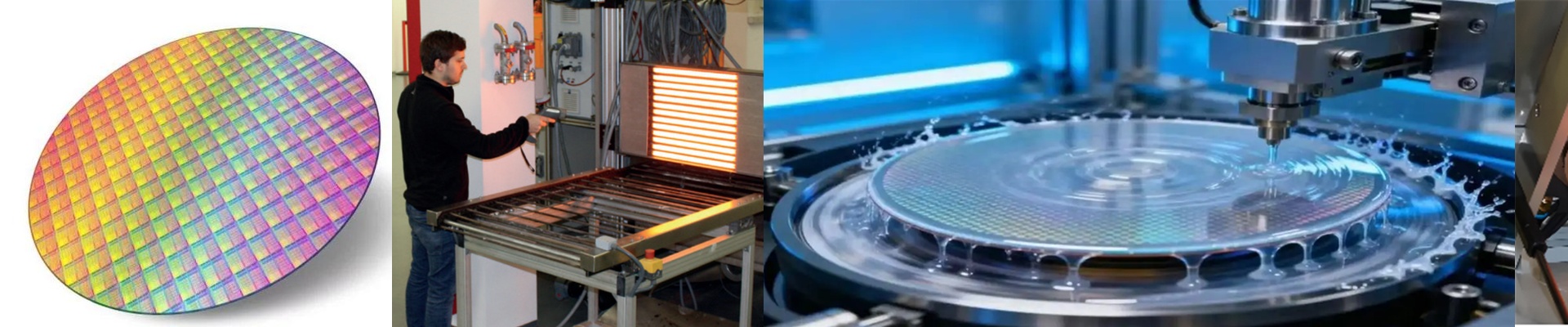
IR heating is different. It doesn’t bother with the air at all. It just sends energy straight to the substrate. It’s basically “instant-on.” You don’t have to wait an hour for a chamber to warm up. The heat hits the target the second you flip the switch. We’ve seen ramp-up times drop from hours to literally seconds.That’s a massive win for your workflow. Plus, since you aren’t blasting air everywhere, the environment stays quiet and still. Fewer fans mean fewer particles landing on your wafers. It’s just cleaner. Another cool part? You can actually aim the heat. If the center of your substrate needs more juice than the edges, you just move the lamps or tweak the power. Forced air is a blunt instrument—it hits everything the same. IR lets you be surgical.
The catch (because there’s always one)
Now, IR isn’t a magic fix for everything. It only works if the lamp can “see” the part. If you’ve got parts stacked on top of each other or weird, complex shapes, you’ll get shadows. Some spots will stay cold while others get baked. You have to be really smart about where you place your lamps or use reflectors to bounce the heat into those hidden corners. Also, because IR is so powerful and fast, you have to be careful with your controllers. If your sensors are a bit slow to react, you’ll overshoot your target temperature. And in this business, overshooting usually means you just burned an expensive part.