

Cold floors and drafty corners turn nighttime routines into a mad dash to stay warm. In the nursery or a tight dressing area, you don’t want to wait around for the room to slowly heat up. An infrared baby room heater changes that—fast.
What matters, technically
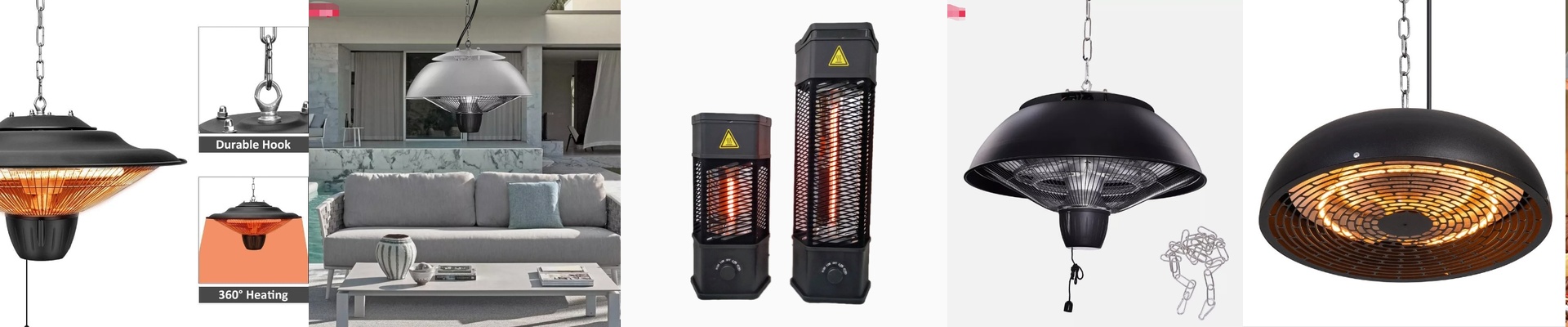
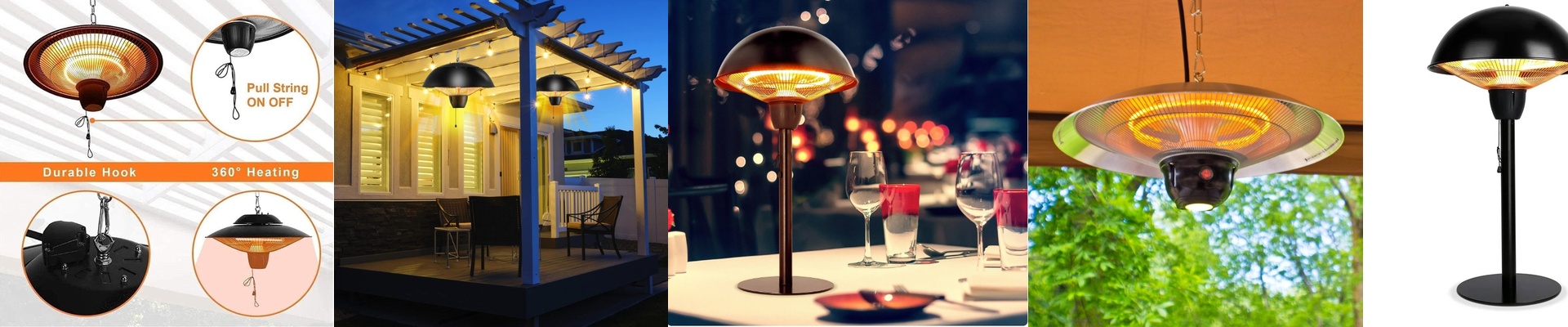
Infrared baby room heaters work by radiating heat directly onto people and surfaces, not by pushing air around. Most use a carbon fiber element or a quartz tube that comes up to temperature almost immediately, so you feel warmth within seconds. They run on standard household voltage, typically draw between 800 and 1500 watts, and are sized for small spaces—often no bigger than a small table lamp. A built-in thermostat helps hold a steady temperature, and tip-over protection shuts the unit off if it’s knocked over. For nursery use, look for low-glare operation and a housing that stays cool to the touch.
Why this approach fits
In a baby’s room or a compact dressing area, you want gentle, consistent warmth that shows up when you need it. Radiant heat warms the body and nearby surfaces first, so changing and bedtime routines stay comfortable without waiting. Because the heat is directional, you can place the heater where it matters most—near the changing table or by the crib—without overheating the whole room. The result is a quieter, more even feel that helps keep drafts at bay, and it can cut down on the urge to crank the room temperature just to feel comfortable.
The practical details
Infrared baby room heaters are meant for supplemental heating in small, enclosed spaces. They perform best when positioned 3 to 6 feet from where you sit or stand, and they should be plugged directly into a grounded outlet. Skip the extension cord, and keep the heater away from bedding, curtains, and other combustible materials. For safety, choose a model listed for the intended environment and follow the spacing guidance in the manual.