

Cold lobbies and drafty loading docks aren’t just uncomfortable—they quietly bleed energy and drive up operating costs. If you’re running a commercial building, that constant friction shows up on utility bills, in maintenance calls, and in tenant satisfaction. A heavy-duty electric heater built around high-efficiency infrared warmth is a practical way to fix the problem where it starts.
What matters under the hood
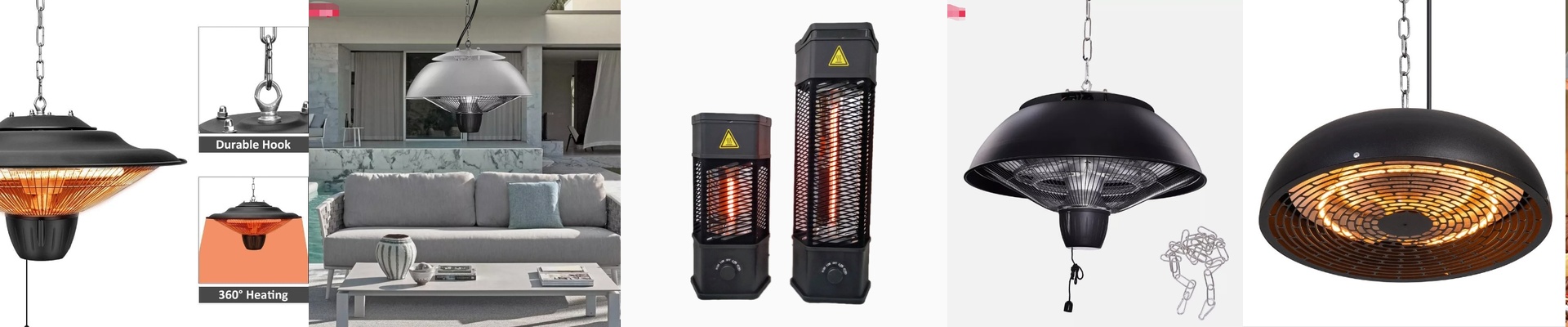
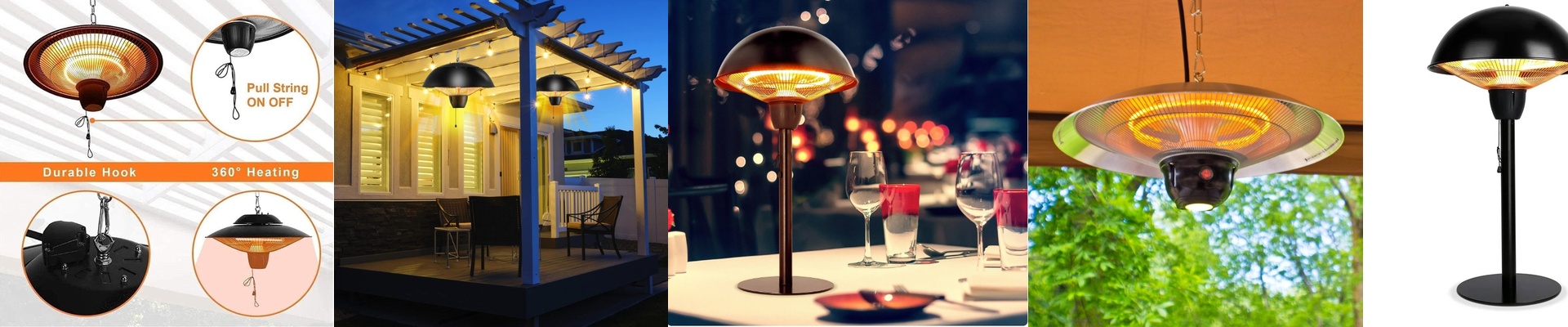
We build these heavy-duty electric heaters on a direct radiant system. Infrared warmth hits people and surfaces first, instead of wasting time heating air. The core uses a durable carbon fiber element inside a sealed quartz tube, so you get instant radiant heat with minimal air movement. Typical units run on 240V hardwired connections, pulling from 1.5kW to 3.0kW depending on the space. A built-in adjustable thermostat keeps the comfort level where you set it, and a standard tip-over protection switch cuts power if the unit gets knocked out of position.
Why infrared makes sense in commercial spaces
Infrared shines in spots where warm air rises and disappears—entryways, under high ceilings, and other hard-to-heat areas. You’re putting heat where it’s needed, which cuts wasted energy and helps support sustainability goals. Less draft, more steady comfort means tenants notice the difference. Building teams spend less time chasing comfort complaints. Over time, that stable, controlled heat can add up to real savings and a stronger ESG profile for the asset.
The details that keep it working
Infrared heat is most effective when it lands where you want it, so placement matters. The unit needs a dedicated circuit and proper clearances from combustible materials and foot traffic. These heaters perform best in sheltered, semi-enclosed areas. In fully open spaces, especially when it’s windy, you’ll likely need to pair them with air-side solutions. Line up the layout with your electrician, and you’ll get more comfort for every kilowatt-hour.