



Nighttime in a greenhouse hits harder than you’d think. One cold snap can stall seedlings, thin out fruit sets, and push your harvest back by weeks. You need heat that kicks in fast, holds steady, and doesn’t turn into a disposal headache the minute it needs service.
What actually matters under the hood
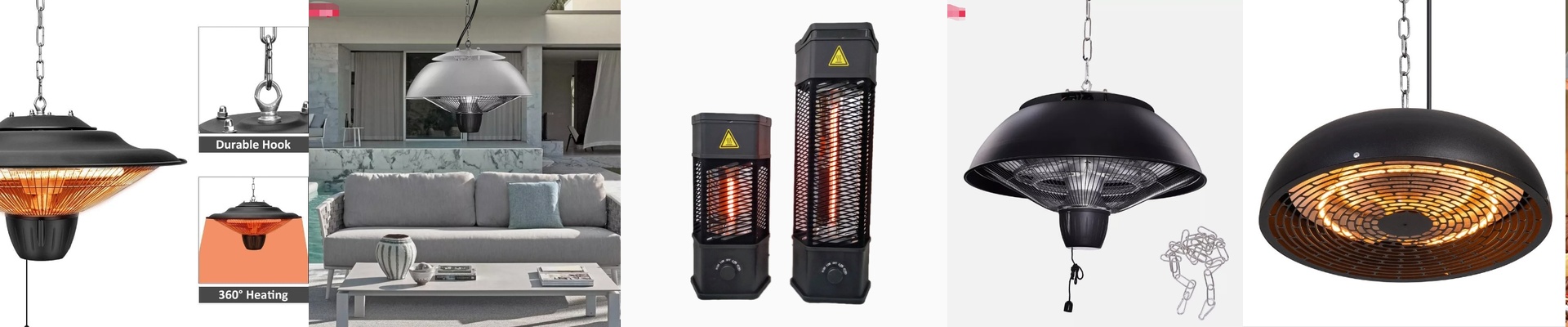
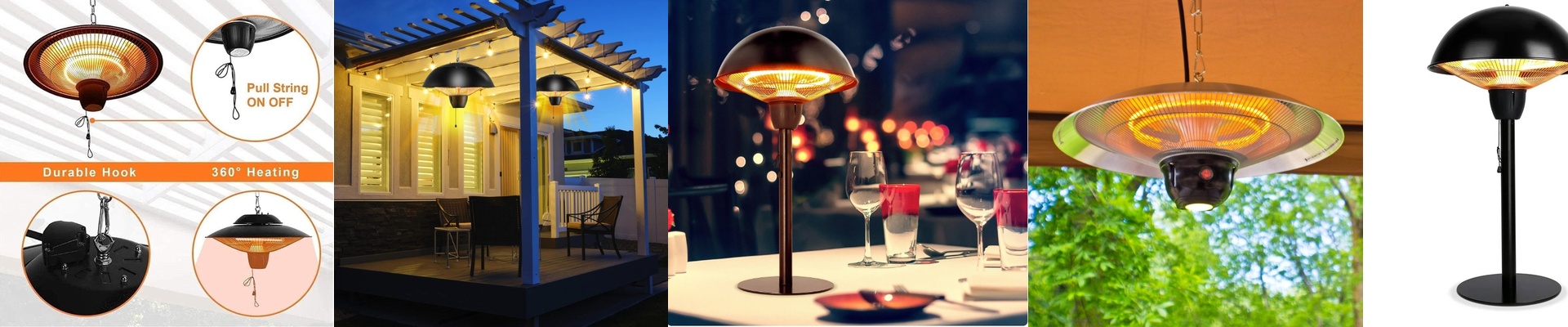
We built this greenhouse infrared heater around a medium-wave carbon fiber element, sealed inside a quartz tube. It turns electricity straight into radiant heat, warming people, soil, and plant surfaces—not the air between them. So you feel comfort quicker, and the air stays drier, which helps you keep humidity in check. It runs off standard 220–240 V outlets, pulls 1.5–2.0 kW depending on the model, and has a built-in thermostat. Set the target temperature and let it hold it. The housing is aluminum and steel with high recycled content—chosen for strength and the fact it can be recycled later, not for some short-lived design gimmick.
Why this approach fits greenhouse work
Greenhouse growing lives on consistency. Radiant heat keeps plant beds and work surfaces at a stable temperature, even when the temperature dives at night. Because the warmth is directional, you can focus it where you need it—benches, seed trays, a work aisle—without trying to heat the whole volume. The sealed quartz tube stands up to moisture and dust, and the materials are picked for long life and easy disassembly when service is due. That means fewer replacements over time, less packaging waste, and a heater you can rely on season after season.
A few field notes
Infrared warmth works best when it hits the target directly. Mount the unit 1.5–2.5 m above work areas and angle it so the beam covers benches without shining straight into eyes. It heats surfaces, not the full air volume, so gentle air circulation helps even out the feel across the greenhouse. For the best sustainability payoff, size the heater to the space. Oversizing wastes energy; undersizing just runs longer. And keep this in mind: infrared needs line of sight. Solid barriers throw shadows where the warmth drops off.