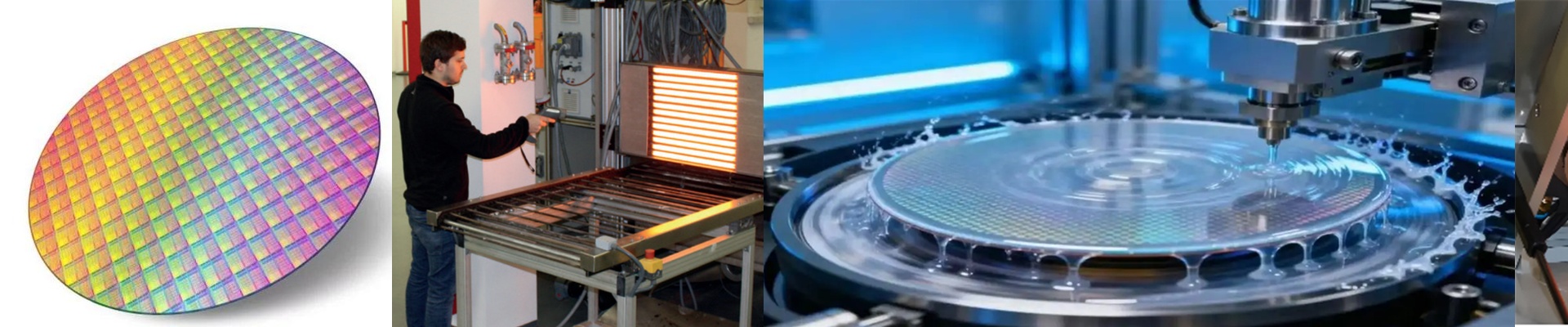
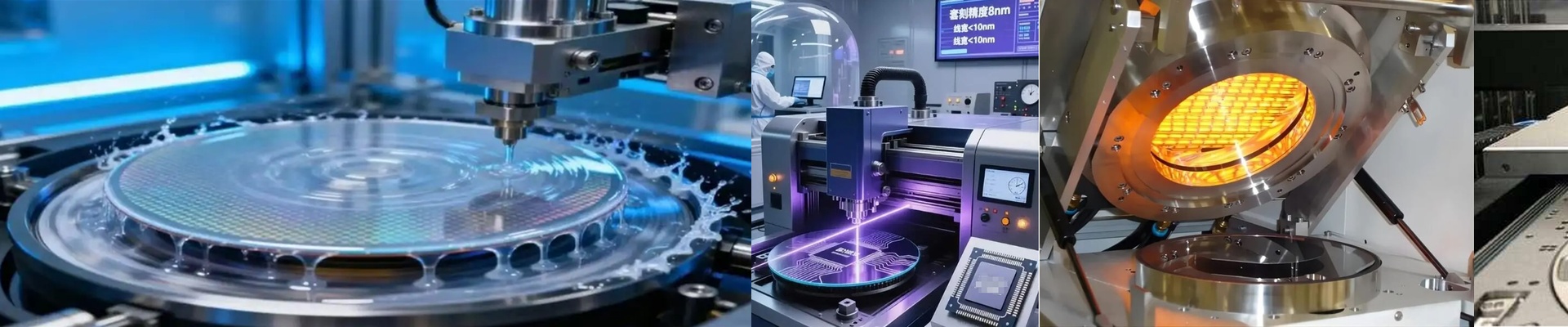


On the fab floor, thermal drift during wafer drying or a photoresist bake isn’t just a line-stopper. It quietly prints defects that don’t show up until electrical test, and by then you’re chasing a rework lot. TSV heaters were built to stop that drift at the source, locking in each thermal step with repeatable control. What matters under the hood We design TSV heaters around wafer-level thermal uniformity of ±0.1°C, because lithography and packaging windows can’t swallow much delta across the surface. The heating element is matched to the chamber geometry and power bus, so setpoint response is stable—no hot spots, no surprises. Cleanroom Class 1–100 compatibility comes from low-outgassing materials and particle-controlled construction, so you don’t spend time chasing excursions that originate in the heater. Zero particle generation isn’t a slogan; it’s a design constraint, and it’s verified in process. Why this plays where the work gets done In wafer drying and cleaning-dry sequences, the heater holds the thermal profile that keeps re-contamination and watermarks from creeping back in. In photoresist processing—soft bake and hard bake—temperature precision translates straight into critical dimension control and consistent sidewall profiles. In packaging curing, that same stability lets you shorten the oven curve without overshoot, so via integrity and stack integrity stay intact. The payoff is predictable yield, fewer rework lots, and a cycle time you can count on. The details that bite you if you ignore them TSV heaters are sensitive to mounting flatness and the quality of the thermal interface. Plan for surface flatness within tolerance and a verified interface; otherwise you’ll create local gradients you can’t explain. Specify voltage and connector compatibility up front—mismatched wiring can inject noise that masks the repeatability you’re after. Treat the heater as part of the thermal loop, not as a standalone box.