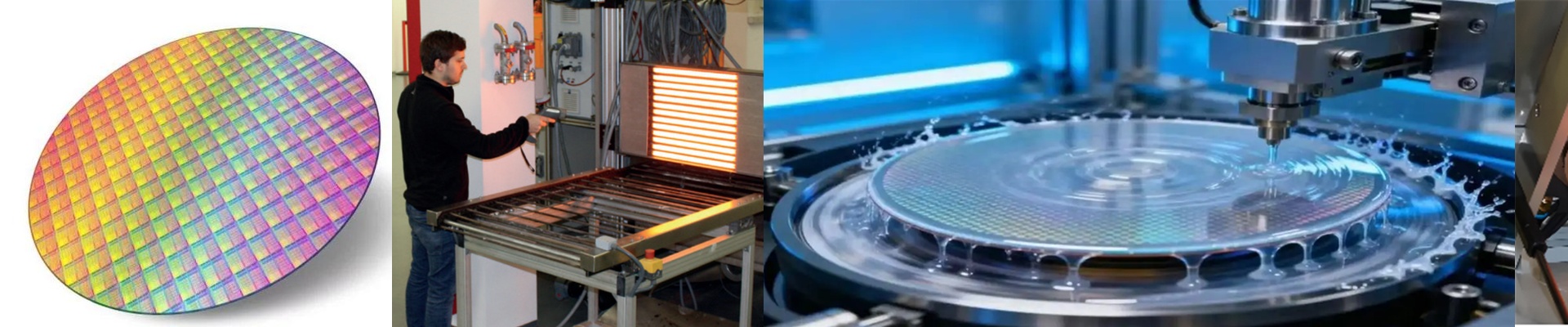

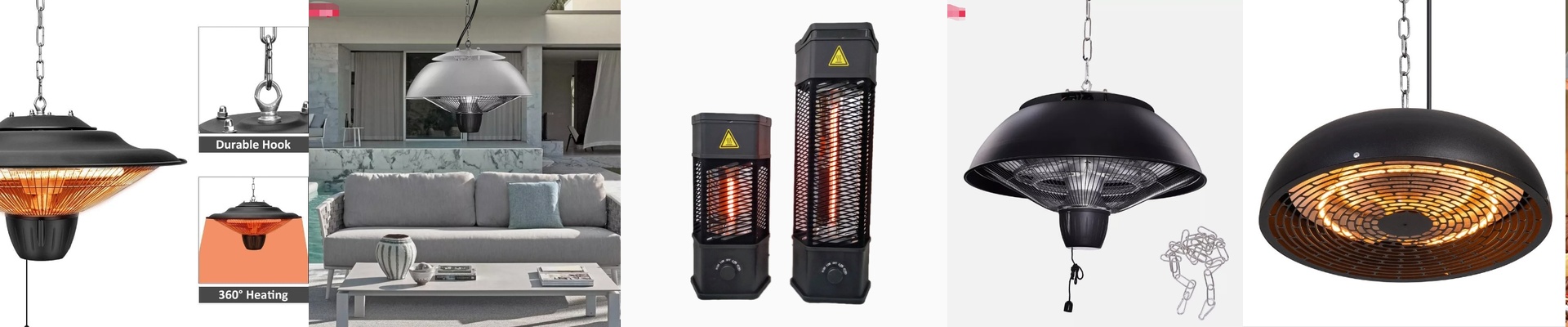
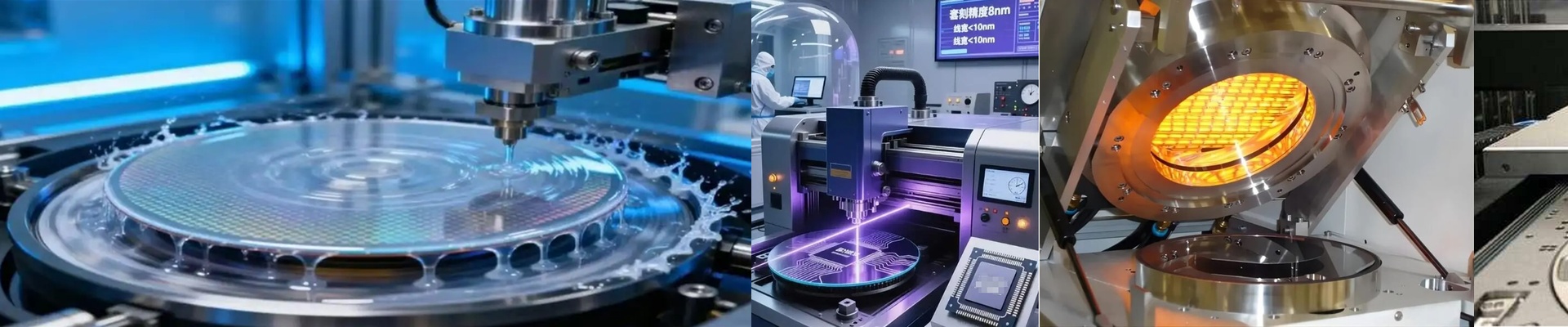


On the fab floor, a 0.5°C drift during the photoresist bake is enough to shift critical dimensions by nanometers. One bad lot, and you’re scrapping a whole run. We built our international industrial heater line around that reality: thermal control that holds wafer-level uniformity within ±0.1°C, day after day, across soft bake, hard bake, and post-exposure bake. What matters, technically The heart of it is a cleanroom-compatible heater engineered for semiconductor thermal budgets. Halogen and NIR options dump heat directly into the photoresist and substrate, so you get fast ramp and settle times that cut cycle time without hurting repeatability. Temperature stays stable edge-to-edge across the wafer, so line width control stays within spec. Zero particle generation is enforced with low-outgassing materials and sealed construction—built for Class 1–100 environments. These units run 24/7 with no unplanned downtime, and the service intervals are stretched out, which means fewer spares and less maintenance labor. Why it holds up in lithography In lithography cells, bake temperature consistency translates straight into fewer rework lots and higher first-pass yield. Energy use drops because the heater hits setpoint quickly and holds it without overshoot, lowering the per-wafer thermal cost. It integrates cleanly with existing tracks and coaters, so you don’t take on extra integration risk. And since the same thermal platform can be configured across multiple bake stations, your spares strategy stays simple. Here’s what to watch for Matching the heater to chamber geometry and airflow isn’t optional—even a small mismatch can show up as edge roll-off. Plan a short commissioning run to tune PID and shielding for your exact load and cleanroom airflow. And make sure output voltage and connector types are specified to your equipment footprint up front. Getting that wrong means field rework you didn’t budget for.