
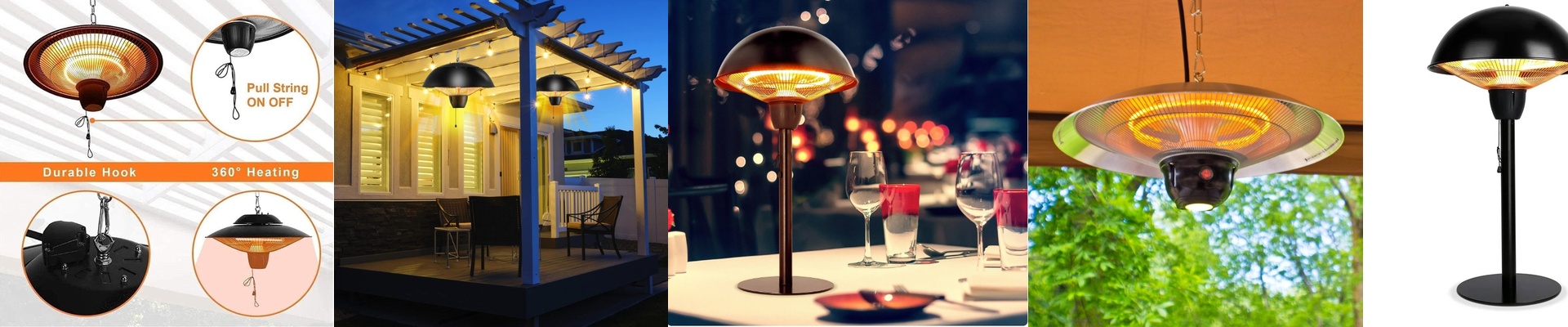


On a cold evening, comfort isn’t a perk—it’s the difference between staying out and packing it in. That’s why we put every infrared panel heater through a full-power burn-in at the factory. No sampling. No shortcuts. Every unit runs at full load to catch early failures, settle the components, and confirm consistent output before it ever lands on your patio, in your workshop, or your living room.
What’s actually happening, technically
Infrared panel heaters deliver radiant heat—warming people and objects directly, not moving air around. Inside, you’ve got a carbon fiber element or a quartz tube converting electricity into directional warmth that comes on fast. We match the element to the housing, wiring, and thermostat so heat builds quickly and holds steady. The payoff is even coverage across the area you care about—targeted comfort without the drafty feel of forced-air.
Why we do the burn-in
A heater failing in the cold isn’t just inconvenient. It breaks the flow of your day and your space. The 100% aging test exposes weak solder joints, inconsistent elements, and marginal connections that can slip past a visual inspection. Units that make it through come out stable, with predictable performance and fewer early returns. For you, that translates to fewer surprises, longer stretches between replacements, and heat you can count on when you need it most.
What to keep in mind
Infrared warmth works best when it’s aimed at the people and surfaces you actually use, so placement matters. Mount at a comfortable height and angle, and keep the heater clear of obstructions. Most panel heaters are intended for indoor or sheltered outdoor use; for exposed patios, pick a model rated for damp conditions and always plug into a grounded outlet on a dedicated circuit. One thing to plan for: radiant heat warms what it touches, so you can feel cooler in drafty spots unless you position the heater to cover your main seating area.