

Keeping Things Safe When Heating IR in Chemical Clean Rooms
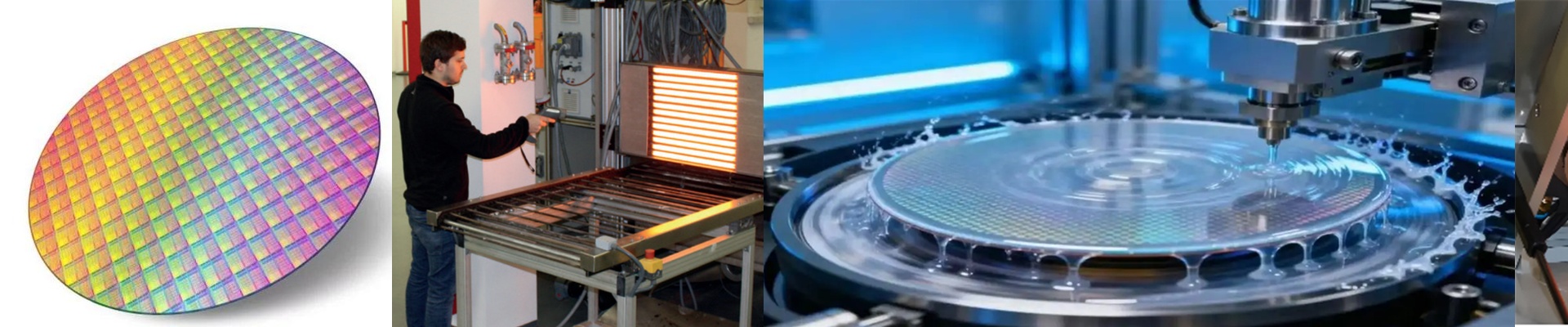
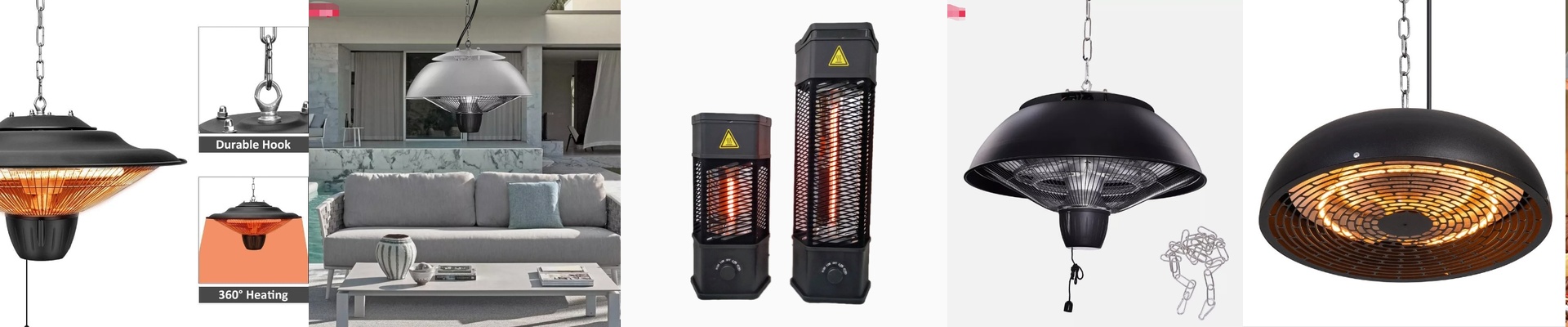
If you’re heating semiconductor trolley loads in a chemical cleaning area, you’re dealing with a bit of a nightmare scenario: volatile, flammable vapors. Standard IR lamps are “open,” meaning the heating element is just… out there. In a room full of fumes, one tiny spark or a hot spot on a terminal isn’t just a technical glitch. It’s a disaster waiting to happen. That’s why we stopped using open lamps and moved to encapsulated IR assemblies. The trick is in the seal. We tuck the heating element inside a high-transmittance quartz sleeve, then wrap that in a secondary protective housing. It’s basically a physical wall between the electricity and the air. Since it’s airtight, those flammable chemical fumes never even get close to the energized filaments. We usually build the housing from anodized aluminum or stainless steel. Why? Because acid fumes eat through everything else. We also use high-temp gaskets so the seal doesn’t crumble after a few hundred heat cycles. But there’s a catch. When you wrap a lamp in a case, you lose that natural airflow. The heat has nowhere to go, and if you aren’t careful, the lamp will just cook itself. To fix this, we build integrated heat sinks or forced-air cooling channels right into the housing. We also stick with short-wave IR emitters. They punch through the trolley load much faster, which means the heater doesn’t have to run at peak temperature for long. It keeps the stress on the seals way down. A few things to keep in mind for the install. These are designed to be drop-in replacements for your old heaters, but they are bulkier. The safety casing takes up space. Before you order, double-check that your trolley chassis actually has the room for them. You’ll also need explosion-proof conduits for the wiring. One last tip: because these units have more “mass” than a bare lamp, they take a little longer to warm up and stabilize. You’ll probably need to tweak your PID controllers to handle that lag, otherwise, your temperature readings might feel a bit off at first.