

Stop Wasting Heat: A Smarter Way to Dry Wafers
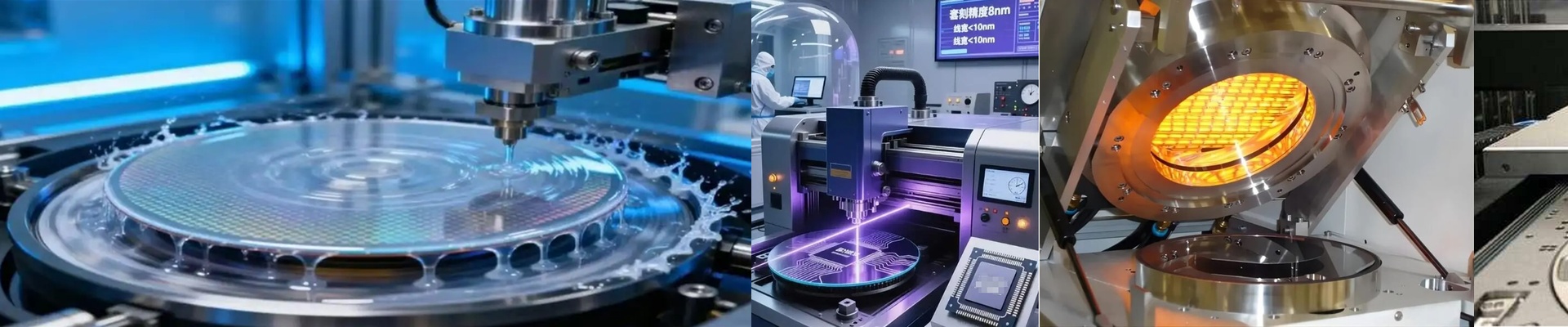
When you’re in semiconductor fab, getting moisture off a wafer without ruining the whole thing is a delicate dance. But here’s the problem: a lot of us are still burning through kilowatt-hours like it’s 1995. If we’re actually serious about hitting those “green factory” goals, we have to stop just cranking the heat and hoping for the best. That’s why we’ve moved away from those clunky manual or analog setups and switched to digital IR dryer controllers.
The trick to better heat
Most standard IR lamps are basically just “on” or “off.” They dump heat into the system regardless of whether the wafer actually needs it. It’s overkill. We use PID algorithms in our digital controllers to fix this. Instead of a blunt instrument, it’s more like a dimmer switch that reacts in real-time. It tweaks the power on the fly so you don’t get that annoying “overshoot” where the temp spikes too high and wastes energy. You end up with a smooth, flat thermal profile. The result? You use way less power per lot. Simple as that.
The hardware headache
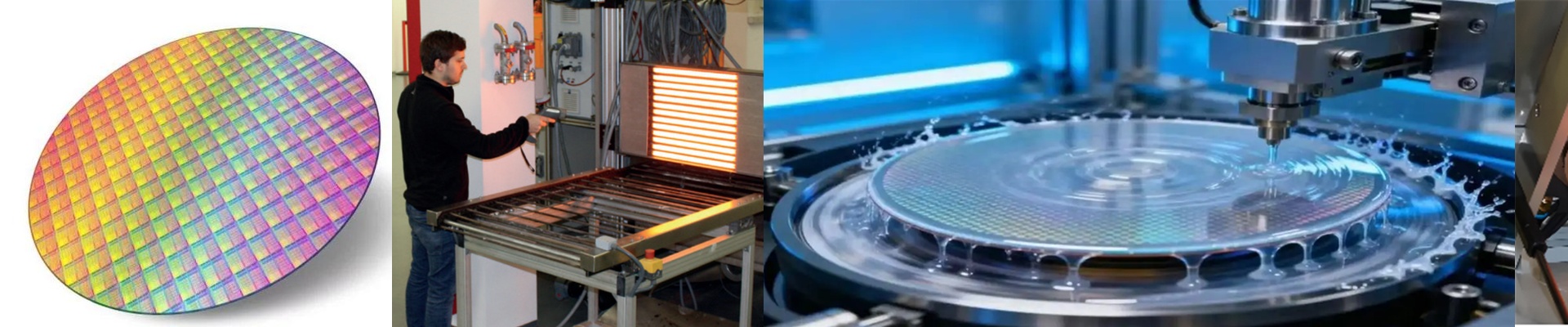
High-wattage IR arrays are beasts. They put a massive strain on your electrical panels. We build these controllers to handle rapid switching without popping capacitors or crashing the system. Speed is everything here. If the controller lags even for a second, you’re either overheating the wafer or keeping the lamps on longer than you need to. Neither is a good look. We usually pair these with short-wave IR lamps because they penetrate faster. But there’s a catch. Short-wave hits the surface hard. You have to find the sweet spot between your power density and how fast your conveyor is moving. If you crank the wattage to speed up the line, your cooling fans have to scream just to keep the chassis from melting. It’s a trade-off. You save time on the line, but you spend it on the cooling bill.
Cleaning up the carbon footprint
At the end of the day, cutting carbon in a cleanroom usually comes down to the power bill. Digital control gives us something analog never could: a “sleep mode.” When there’s a gap in the line, the system doesn’t just idle at 100% power. It throttles down. It’s just basic math. Less waste means a smaller footprint.