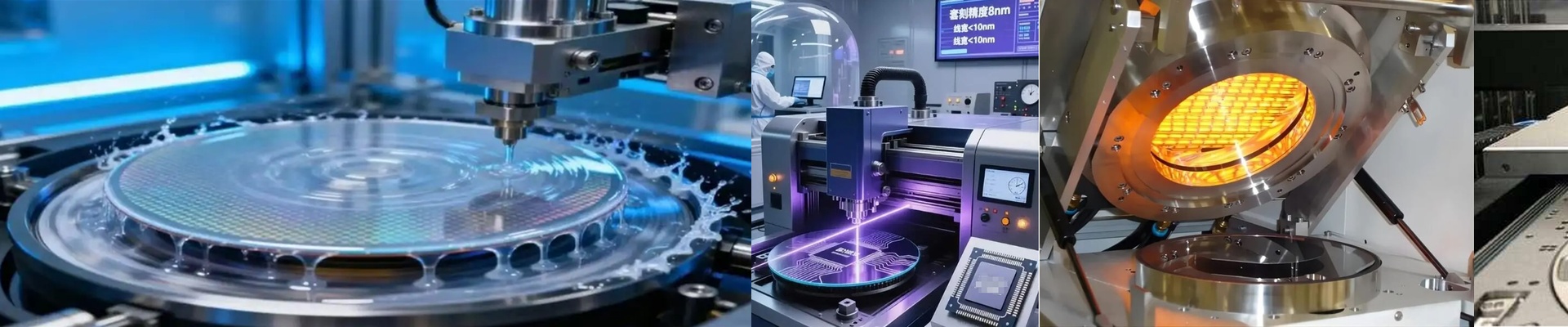

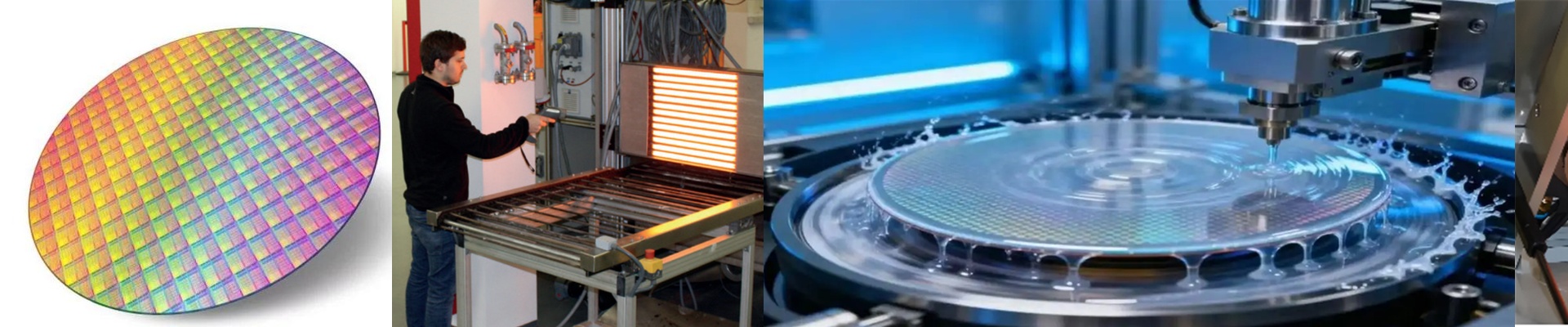

Stop Heating Your Machine and Start Heating Your Wafer
Here is the problem with most heating setups in a semiconductor fab: they’re messy. When you use standard radiant heaters, the heat just goes everywhere. It’s like trying to light a single candle with a bonfire. You end up turning the inner walls of your expensive equipment into giant heat sinks. Before you know it, the chassis is too hot to touch, and you’re sweating over whether your nearby electronics are about to fry. It’s a waste of energy. And honestly? It’s a safety nightmare. The trick is to get directional. We use certified infrared (IR) curing lamps to fix this. Instead of warming up all the air in the chamber—which is basically a waste of time—these lamps send electromagnetic radiation straight to the substrate. Whether you go with short-wave or medium-wave IR, the energy punches through to the target material without turning the rest of the room into a sauna. But the real secret sauce is the gold-coated reflectors. They act like a lens, bouncing those IR rays into a tight, focused beam. The heat hits the wafer or the curing agent exactly where it needs to, and it leaves the machine casing alone. No more “oven effect.” When you focus the energy, the walls stay cool. That’s a huge relief because you can stop relying on massive, noisy cooling fans or slapping thick slabs of insulation all over your inner chassis. Just a heads-up: you have to get the distance right. If the lamp is too close, you’ll get hotspots that ruin your work. Too far, and the beam starts to spread out, which defeats the whole point. The trade-offs you should know about. Directional IR is incredibly precise, but it’s picky. If your lamp shifts even a few millimeters, your heat pattern drifts. You can’t just “set it and forget it.” You’ll need rigid mounts to make sure vibrations don’t mess up your curing uniformity. And one last thing—these high-intensity lamps are hungry for power. They pull a lot of current. Just make sure your power supply can handle that initial surge when you flip the switch, otherwise, you’ll be spending your afternoon resetting tripped breakers on the fab floor.