



Cutting Carbon in the Fab: Why IR Heating Actually Works
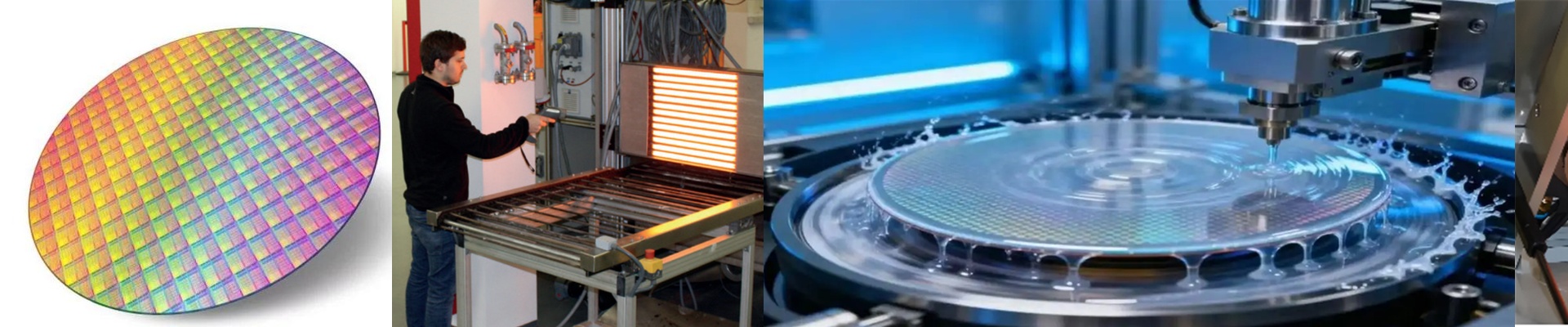
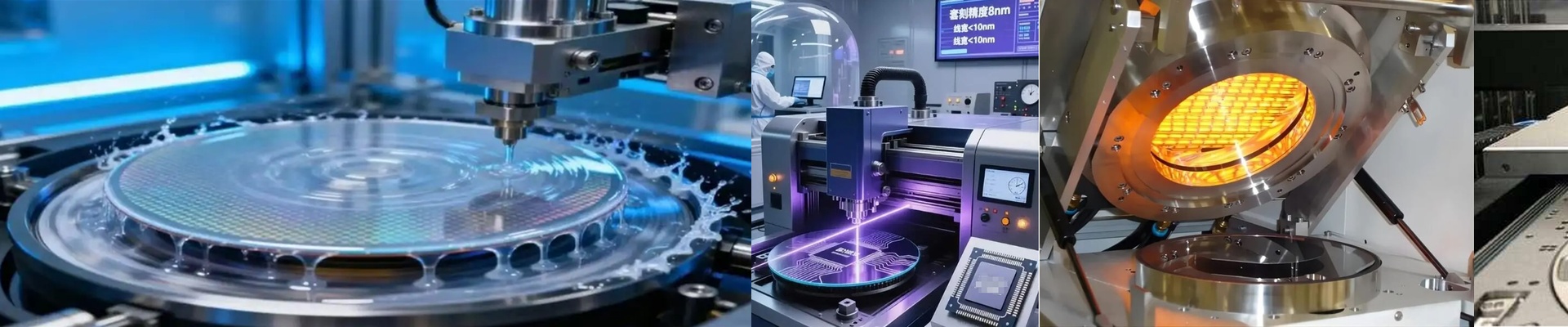
If we’re serious about getting semiconductor fabs to carbon neutrality, we have to stop ignoring how we handle heat. Most old-school convection ovens and resistive heaters are just… wasteful. They spend half their energy heating up the air and the chamber walls before they even touch the wafer. It’s like trying to warm up a single pea by heating the entire kitchen. It bloats the carbon footprint and wastes a ton of power. That’s where infrared (IR) lamps come in. Instead of heating everything, they target the wafer directly. It’s all about where the energy goes. IR systems send out electromagnetic radiation that only turns into heat the moment it hits the surface. You aren’t dumping kilowatts into a vacuum chamber for no reason. Plus, we can tweak the wavelength—switching between short-wave and medium-wave—to control how deep that heat actually goes. It makes the ramp-up time for thermal cycles incredibly fast. And in this business, faster cycles mean less electricity per wafer. Simple as that. The hardware side of things To make this work in a green factory, you need high-wattage density. We use quartz-halogen tubes because they react instantly. You flip a switch, and the heat is there. You flip it off, and it’s gone. No more “idle heat” just hanging around and wasting power while the machine sits there. But here’s the catch: when you pack that much power into a small space, things get hot—really hot. If you’re installing a high-density IR array, you can’t skimp on the cooling manifolds. If those aren’t sized right, you’ll end up frying your surrounding electronics. What this actually does for the planet Swapping out gas-fired furnaces or clunky electric heaters for IR arrays just drops the total kWh per unit. We see the biggest wins during curing, drying, and annealing. The best part? It’s usually a drop-in replacement. You don’t have to tear down the whole line. By getting rid of all that unnecessary thermal mass, the whole fab draws less power. You hit your carbon targets, and your throughput stays exactly where it needs to be.