

Cutting Carbon in the Fab: Why IR Heating Just Makes Sense
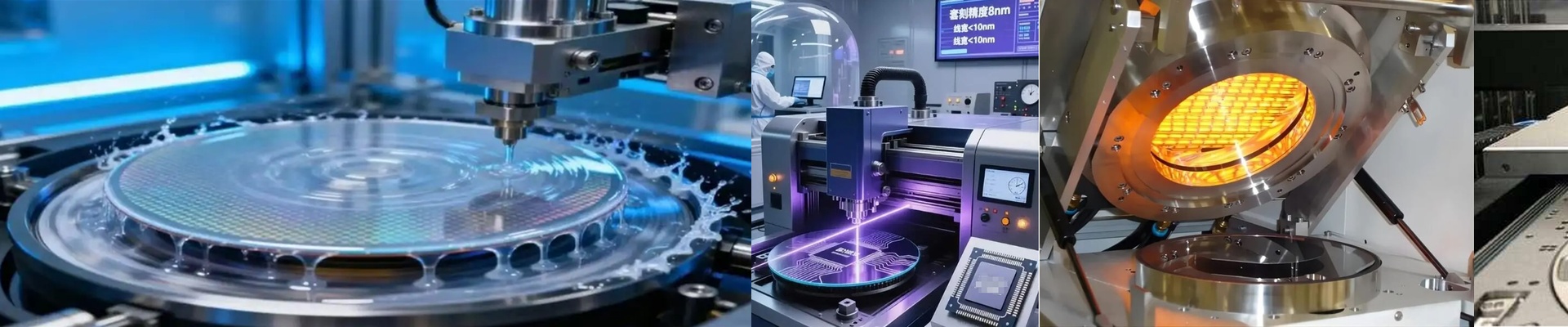
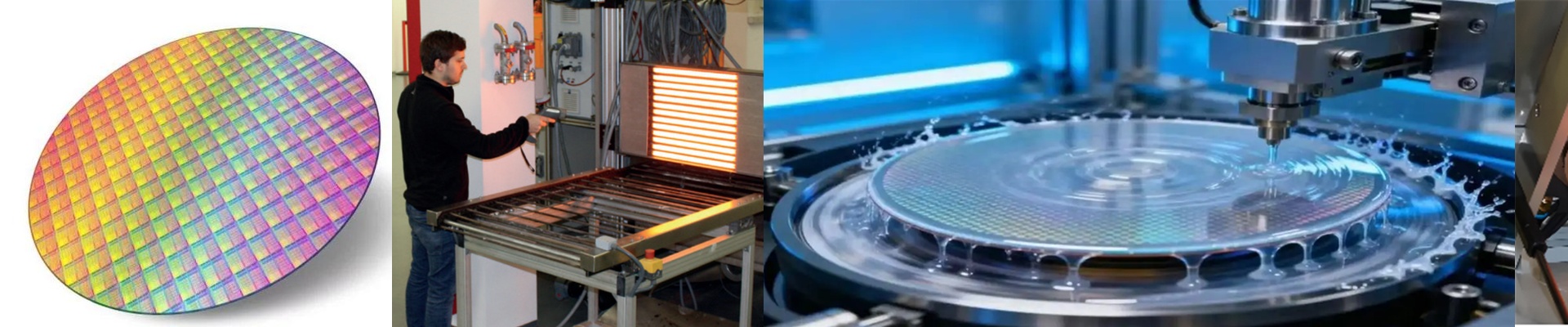
Let’s be honest about semiconductor fabrication. It’s a balancing act. You need extreme heat and pinpoint precision, but you can’t have a single speck of dust ruining a batch. For a long time, the go-to was convection ovens. But here’s the problem: those things are energy hogs. They spend half their time heating up the air in the entire room just to get the wafer to the right temperature. It’s like heating your whole house just to warm up a slice of pizza. That’s why we’ve moved toward short-wave infrared (IR) systems. Instead of heating the air, we aim the energy directly at the workpiece. It’s a simple shift, but it’s where the real carbon savings happen. Speed and Power IR lamps use electromagnetic radiation to move heat. Because it’s a direct hit, you don’t have to wait around for a chamber to warm up. We’re talking about hitting your target temperature in seconds. It’s fast. Really fast. And that changes everything for your power bill. You’re using fewer kilowatt-hours per wafer, and because you don’t need those massive, insulated boxes to trap heat, your equipment takes up way less floor space. Keeping it Clean In a fab, contamination is the nightmare. To stop outgassing or particles from flaking off during a heat cycle, we use high-purity quartz glass for the lamp envelopes. We also pair these with reflectors to keep the beam focused. If the heat bleeds out into the room, your HVAC system has to work overtime to fight it. But a word of caution: you’ve got to watch your wattage. High-density IR arrays put out a lot of heat in a small area. If your air handling unit isn’t built for that load, you’ll be fighting ambient temperature spikes all day. It’s a headache you don’t want. The Bigger Picture When you switch to IR, you stop leaning so hard on fossil-fuel-based heating. The setup is cleaner, too—less complex ducting and simpler wiring. We see the biggest wins during the curing and drying stages. You shorten the cycle time, stop wasting energy on empty air, and actually hit those green factory goals without slowing down your production line. It just works.