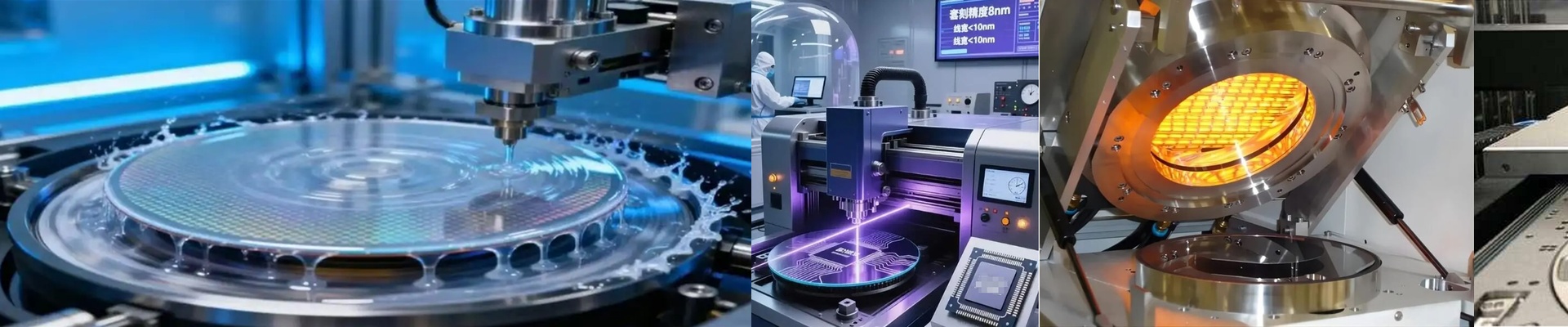


Why we use gold-coated IR lamps for semiconductor curing
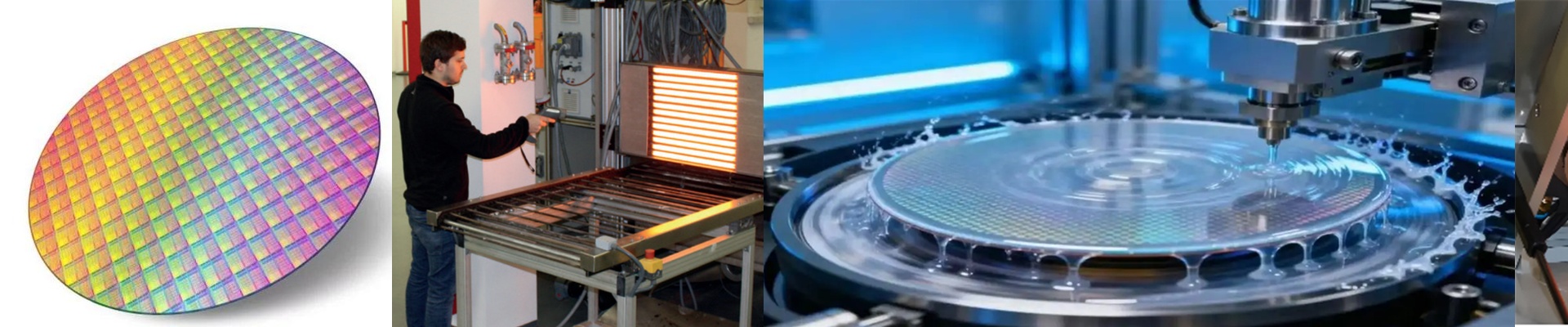
If you’ve spent any time in semiconductor fab, you know the struggle of hitting those exact thermal profiles. Between the lead-free requirements and the push to be more eco-friendly, the margin for error is basically zero. That’s where our gold-coated infrared lamps come in. Instead of relying on a massive convection oven—which is basically just a giant, power-hungry box of hot air—we use short-wave radiation to get the job done. The secret is in the gold. Think about a standard quartz lamp. It throws heat in every single direction. That’s a lot of wasted energy. By adding a thin layer of gold to the back of the tube, we turn the lamp into a mirror. All that infrared energy gets bounced forward, straight onto the wafer. You get a much more intense heat flux where you actually need it, and your machine’s housing doesn’t turn into an oven. It’s just smarter. Dealing with lead-free standards Lead-free solders and adhesives are picky. They need to hit a specific temperature—and they need to do it fast—otherwise, you risk frying the silicon. IR heating is a beast at this. It hits the target temp in seconds. Since the energy travels directly to the substrate, you aren’t wasting time heating up the air in the chamber. It’s why everyone is moving toward IR. It’s cleaner, it cuts the power bill, and you can stop relying on those nasty chemical solvents. A quick heads-up on the engineering Now, there is a catch. When you’re dealing with this kind of heat density, things get hot. Really hot. If you’re spec-ing out a system with high-wattage gold tubes, don’t skimp on the cooling. You need the right fans and heat sinks in place. If the airflow around the lamp ends isn’t spot on, the electrodes will burn out, and you’ll be replacing lamps way sooner than you should. We build these things to survive the grind of a semiconductor line. They’re designed to slide right into your existing setup, replacing those old, sluggish heating elements. You get your parts through the line faster, and your equipment doesn’t take up half the room.