

Cutting Carbon in the Fab with Gold-Coated Twin Tube Lamps
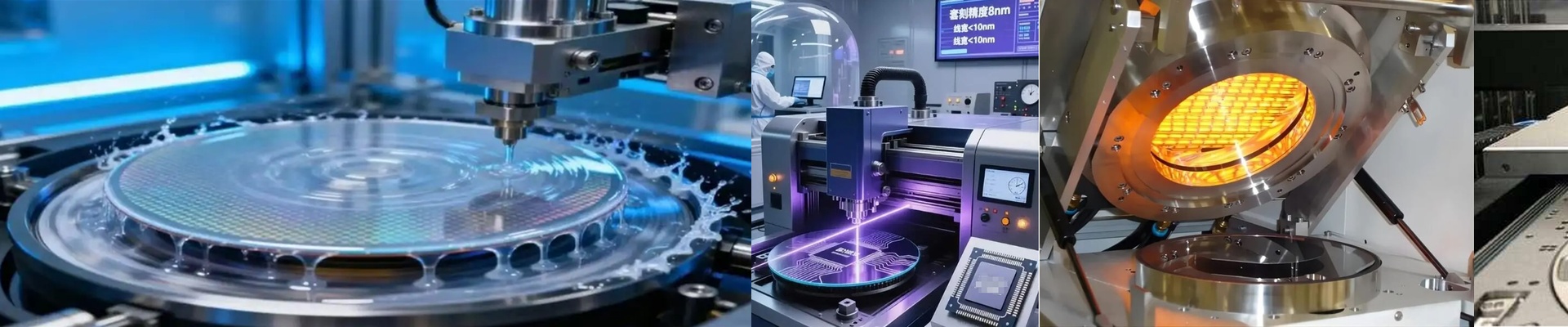
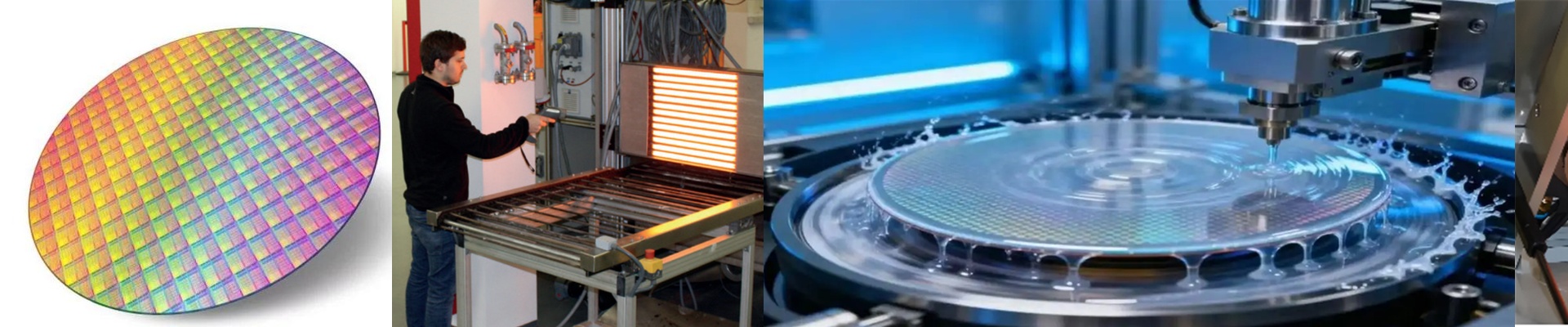
If you want to shrink your carbon footprint in semiconductor manufacturing, you have to start with the heat. It’s usually where the most energy just… vanishes. That’s why we use twin tube gold-coated IR lamps. They aren’t your typical heaters. Think of them more like precision tools that shoot energy straight into the substrate. You aren’t wasting time and power heating up the entire chamber just to get the wafer to the right temperature. Why the gold? Here’s the thing: standard quartz tubes are leaky. They bleed a ton of energy into the surrounding air. By adding a thin gold coating to the twin tube setup, we change how the heat moves. The gold reflects that IR radiation right back toward the target. It concentrates the heat flux. The result? You get a tighter thermal profile and your ramp-up times get way faster. When the lamp hits the target temperature quicker, your kWh per wafer drops. It’s a simple way to build a “green factory”—you just stop throwing away heat. The Twin Tube setup The twin tube design is clever because it doubles the heating surface without taking up more room. This lets you pull more wattage without pushing a single filament to the breaking point. It’s great for rapid thermal processing (RTP) where you need high power density. But a word of caution: when you’re packing that much power into a small space, your cooling manifolds have to be spot on. If your airflow is weak, you’re going to burn out the lamp ends. It’s a trade-off, but one that’s easy to manage if your specs are right. Making it work for the planet Swapping out old-school resistive heaters or those clunky convection ovens for gold-coated IR systems just makes sense. You can wire these lamps into zoned controllers, so you’re only applying heat exactly where it’s needed. No more over-processing. When you shave time off the cycle and cut the energy overhead, the carbon intensity of your whole line goes down. You get to hit those carbon-neutral goals without slowing down your throughput. It’s a win-win.