

Stop Wasting Your Heat: A Better Way to Process Biosensor Wafers
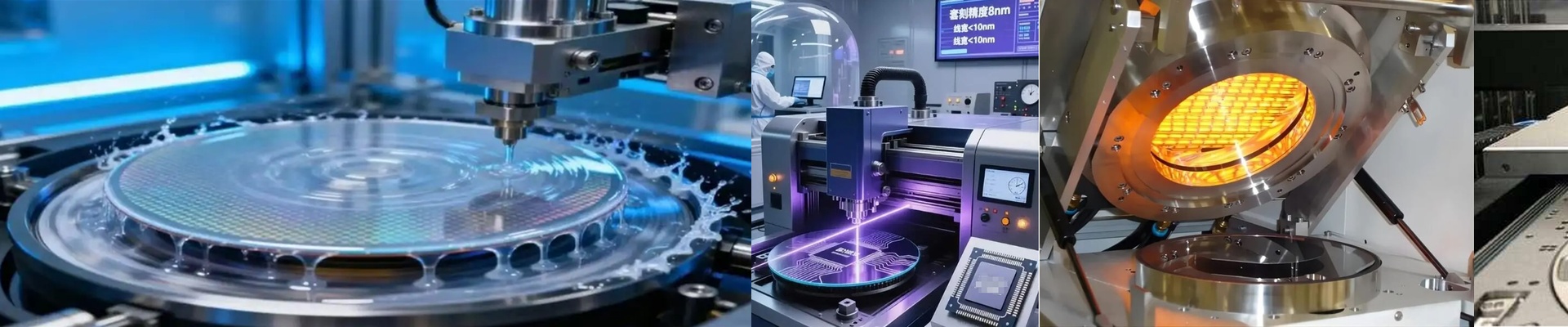
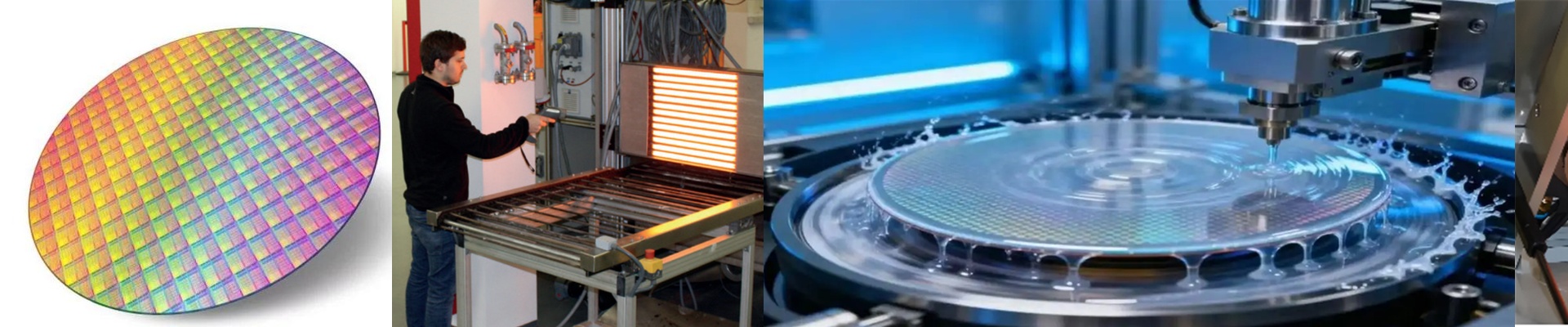
If you’ve ever worked with curing and deposition for biosensors, you know the struggle of getting the thermal control just right. Most standard infrared lamps are pretty inefficient. Half the energy just bounces backward into the machine chassis, which is basically like paying for electricity just to heat up your equipment. We figured out a better way. By putting high-reflectivity gold coatings inside the lamp housing, we force every single watt straight down onto the wafer. Why gold? It’s not about the bling. Gold is just incredible at reflecting infrared light. Aluminum is common, sure, but it tends to oxidize or degrade when things get hot. Gold stays stable. It creates a tight, directional beam that puts the energy exactly where it needs to be. You get a much higher heat density without having to crank up the power draw on your electrical system. But here’s the thing: when you concentrate that much energy on a tiny wafer, you have to be careful. If you aren’t cautious, you’ll end up with “hot spots” that can ruin a batch. We spend a lot of time balancing the wattage and the length of the tubes to make sure the heat is spread evenly across the whole substrate. And a quick heads-up on the hardware: if you go with a high-wattage array, make sure your cooling fans or water-jackets can actually handle the reflected heat. If you let the ambient temperature climb too high, your electronics are going to fry a lot sooner than they should. The good news is that these lamps are easy to set up. They’re designed to be drop-in replacements for the IR heaters you’re already using in your photolithography or curing stations. We use heavy-duty quartz glass so they don’t burn out the moment you push them. Plus, they plug right into your existing PID controllers, so you can keep those tight temperature tolerances your bio-chemicals need to stay stable. Now, let’s be honest about the cost. Gold isn’t cheap. It costs more than polished steel or aluminum. You’ll pay a bit more upfront, but it pays off. You’ll see faster cycle times and lower energy costs per wafer. In the long run, it just makes more sense.