

Why Gold Coatings Actually Matter for Wafer Curing
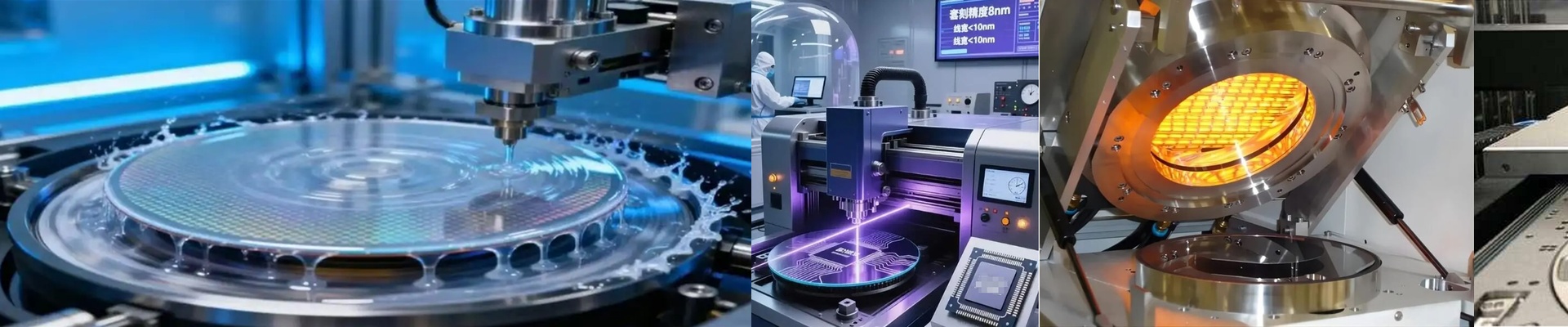
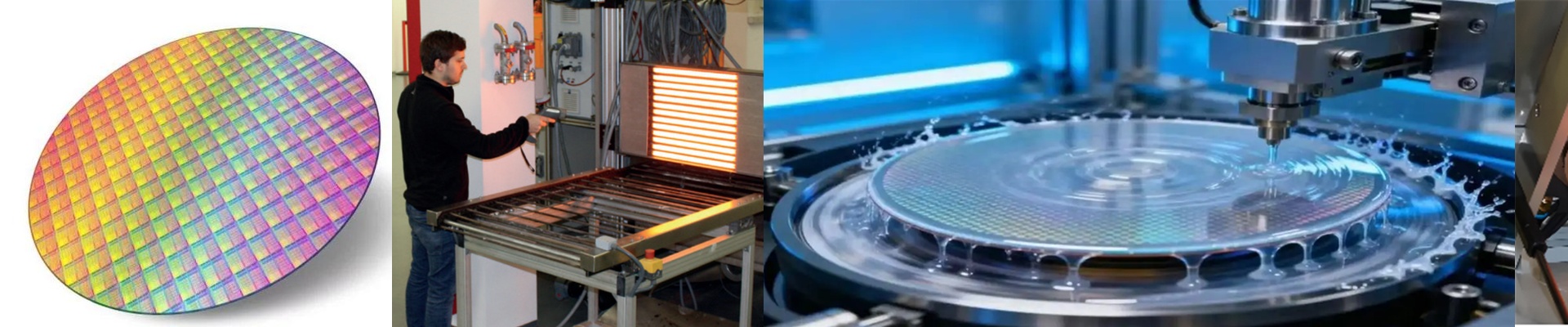
When you’re curing wafers, you really only care about one thing: getting the right amount of heat onto the substrate without wasting a ton of power. Most of the time, a lot of that infrared (IR) energy just leaks into the machine chassis. It’s a waste. That’s where gold-coated reflectors come in.
The magic of gold (and why aluminum fails)
Most people start with aluminum reflectors, but there’s a catch. Once you get into longer wavelengths, aluminum just doesn’t keep up. Gold is a different story. It bounces back over 98% of the IR spectrum. By lining the lamp housing with a thin layer of sputtered gold, we basically force those photons back toward the wafer. It makes every watt work harder. You get a tighter focus, which means you hit your target temperature a lot faster. It’s a huge time-saver.
It’s all about the curve
The shape of your reflector is what decides where the heat actually goes. If you use a parabolic profile, the energy hits in a narrow band. Want it spread out? Go with an elliptical shape. But here’s the tricky part: if your reflector is off by even a couple of degrees, you’re going to get hot spots. Those hot spots are a nightmare. They can warp your wafer or leave you with uneven curing. That’s why we spend so much time making sure the reflector matches the lamp’s focal point exactly. It has to be spot on.
The catch: It’s a bit delicate
Now, gold gives you the best thermal return, but it isn’t indestructible. Gold is soft. Really soft. A single scratch or some chemical gunk on the surface will scatter the light and tank your efficiency. You can’t just grab an abrasive scrub pad and clean these; you’ll ruin them. Same goes for your housing seals—if they leak and the coating starts to peel or oxidize, your energy density drops off a cliff. So, yeah, the upfront cost is higher. But for high-volume lines, the math usually works out. When you factor in the power savings and the faster cycle times, the upgrade usually pays for itself in a few months.