

Getting Your MEMS Wafer Drying Right with Infrared
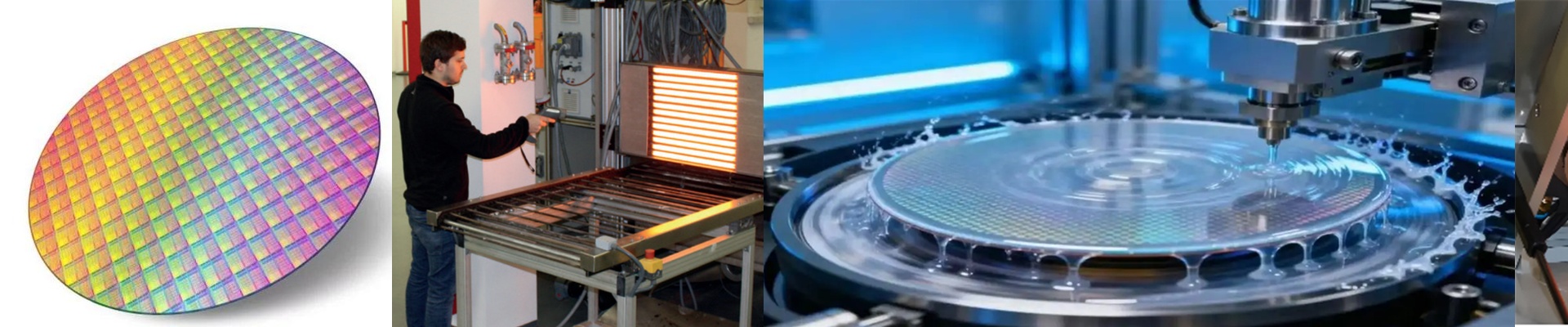
If you’re building out a Smart Fab, you know the drill: everything needs to be driven by data. But when it comes to drying MEMS sensor wafers, the actual hardware matters just as much as the software. That’s why we’ve moved away from those old-school convection ovens and switched to short-wave infrared (IR) systems. It’s just faster. And it keeps the chemicals from creeping in and ruining your batch.
Handling the Heat
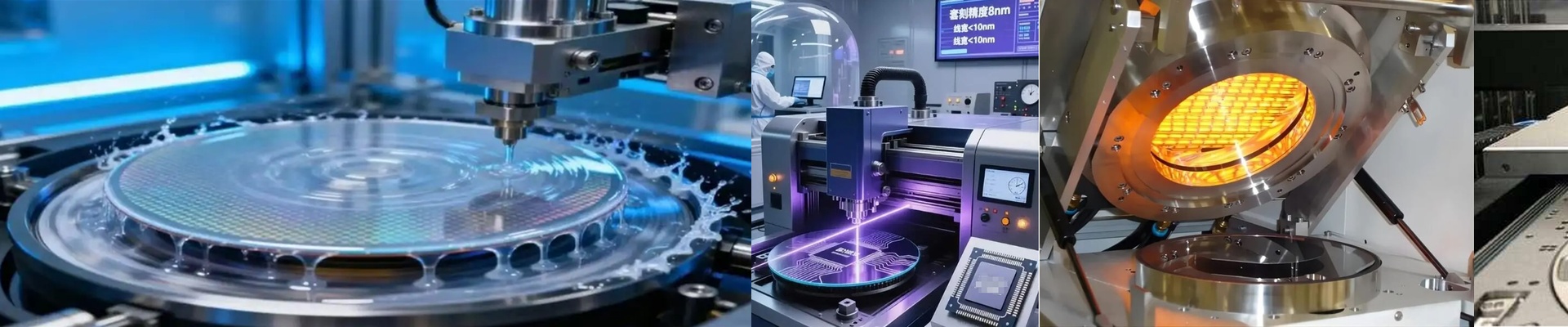
The tricky part with MEMS is getting the moisture out quickly without stressing the wafer. You can’t just blast it with heat and hope for the best. We use high-wattage quartz lamps to get the heat density exactly where it needs to be. By tweaking the voltage and duty cycle, you can change the heat flux on the fly. Whether you’re dealing with a thinner wafer or a weird sensor geometry, the system just adapts. Since the response time is nearly instant, your PLC can dial the heat up or down based on real-time feedback. It’s exactly how a modern, digitized fab should run.
The Nitty-Gritty of the Hardware
We stick to high-purity quartz envelopes for the heaters. Why? Because the last thing you want is “outgassing” happening right next to your wafers. We set these lamps up in arrays so the heat hits every inch of the wafer evenly. We also use specialized connectors. Trust me, you don’t want things rattling loose when the machines start vibrating. But here’s the catch: high-intensity IR creates a lot of “heat soak.” The wafers dry in a flash, but the surrounding chassis takes a real beating. You’ll need to be smart about your cooling jackets and exhaust fans, or your control electronics are going to cook.
Making it “Smart”
In a digital shop, every single part needs to tell you how it’s doing. Our IR systems plug right into your SCADA setup. You can actually see when a lamp is starting to wear out or track exactly how much power each wafer is using. This means you can stop following a rigid maintenance calendar and just fix things when they actually need it. When a lamp starts to drift, the system flags it. You swap the part before your yield drops. That’s the real win of a data-driven line.