

Introduction
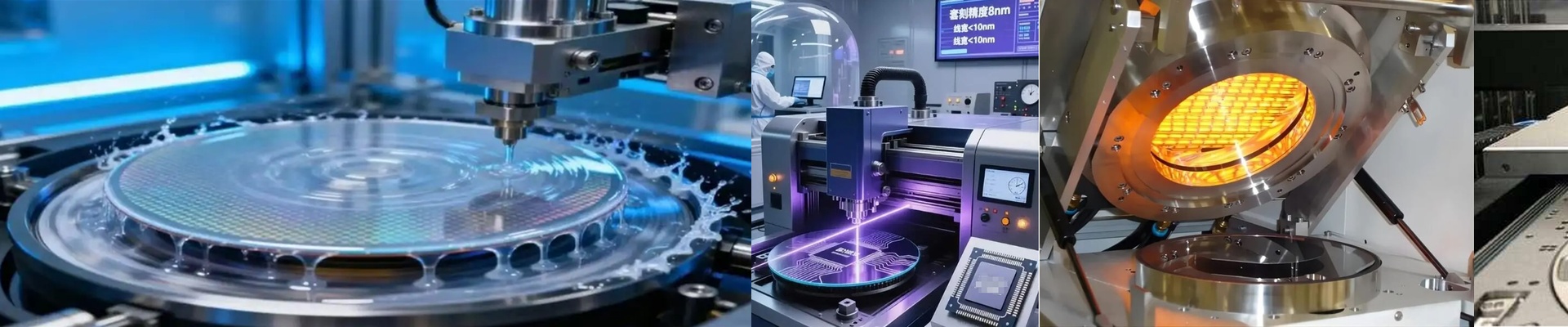
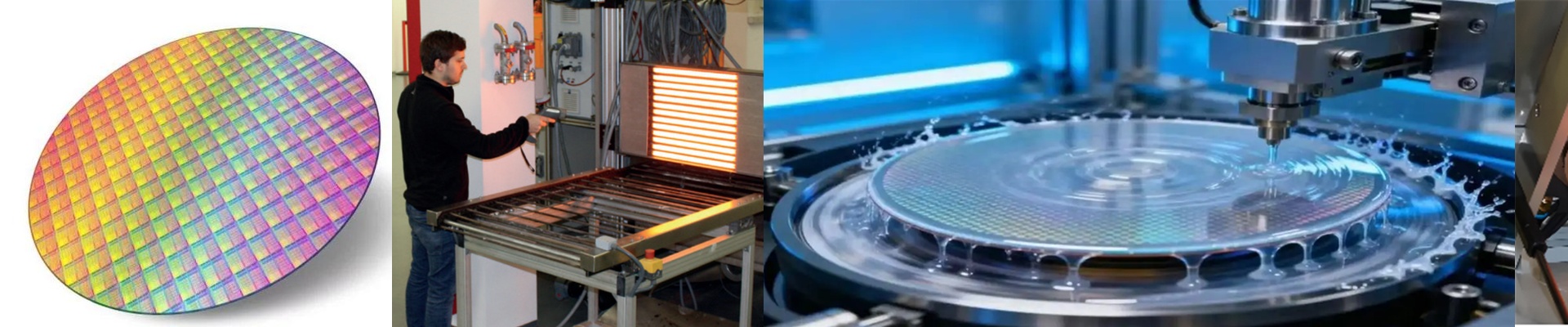
Let’s get straight to it. We built this infrared heating element for wafer drying ovens, plain and simple. The whole point? Give you intense, clean heat—the kind that gets the job done—without the crazy price tag of the big international brands. It’s a straight-up, drop-in replacement. Made for engineers who just need thermal output they can count on, without a messy installation.
What’s Under the Hood
Here’s the thing about wafer drying: you need heat, and you need it fast. So we built this around that reality. It’s a 400V, high-voltage design that packs 2500W of power into a tidy 300mm tube. That’s a lot of heat from a small footprint, which is exactly what you need to hit your setpoint quickly. Just know this: that power means your oven’s cooling and airflow need to be on point. Keep that in mind when you’re planning. And the 300mm length? That wasn’t an accident. It’s designed to slide right into standard oven cavities, so you don’t have to re-engineer the whole chamber. It just goes where the heat is needed most.
Built to Last
We chose a halogen-filled quartz tube for a reason: stability. It keeps the output consistent, cycle after cycle, even when the oven is constantly firing up and cooling down. Quartz handles those thermal shocks like a champ. The shortwave infrared coating is focused on the substrate’s absorption. In other words, the heat goes right where you need it, and stays in the working band. And the R7s connector? It’s a practical choice. It locks the element in place, handles the current, and makes the whole thing a true plug-and-play swap. You wire it once, and it stays put—even with vibration and the natural expansion from the heat.
Why It Works for You
Wafer drying is all about keeping the temperature even and keeping the environment clean—no particulates, no trapped moisture. This lamp’s spectrum-pure output means you get focused heat without spilling it onto surfaces that don’t need it. So what does that feel like on the floor? Faster ramp-up. Consistent cycles. Less downtime for maintenance. You’re getting performance that rivals the big brands, but you’re not paying the premium. And for maximum uptime, a quick tip: keep an eye on the terminal voltage regularly. It helps prevent hot spots caused by connection resistance.