

Making Lead-Free Hydrogen Sensors Actually Work
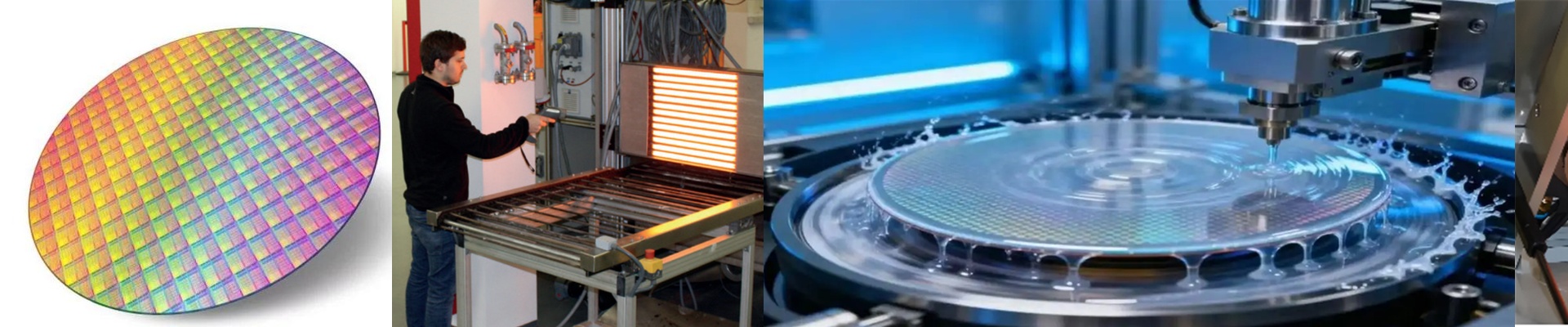
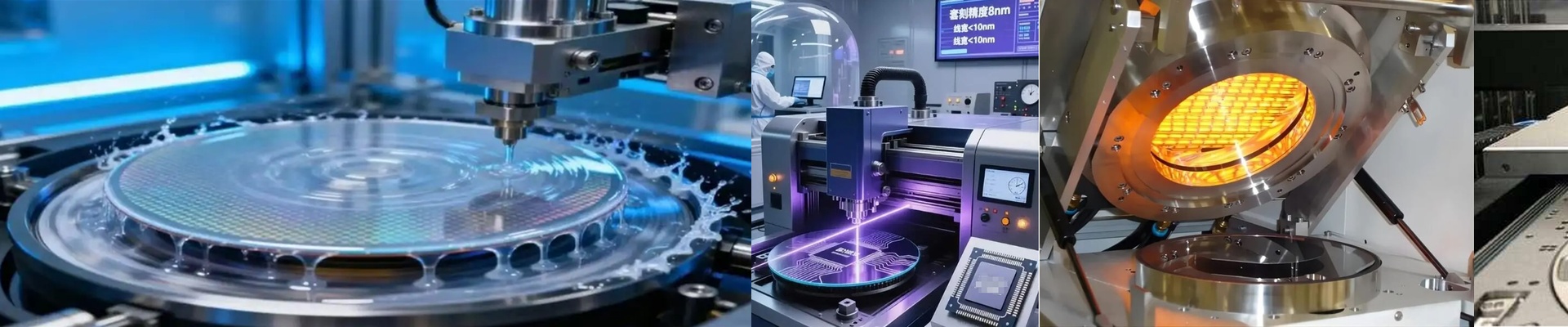
When you’re building hydrogen sensors, the heat is everything. If you mess up the thermal management, you ruin the membrane. Simple as that. To keep things eco-friendly and meet those lead-free standards, we’ve leaned heavily into infrared (IR) curing. Now, if you’ve used a standard convection oven, you know the drill—you heat up the air, and then the air heats the part. IR is different. It sends energy straight into the substrate. No middleman. Why this actually matters Here’s the thing: IR radiation hits the chemical layers of the sensor exactly where it needs to. We aren’t wasting energy heating up the entire machine chassis. It’s fast. Really fast. Because we can ramp up the heat instantly, we don’t have to soak the part in heat for ages. Plus, since it’s so targeted, we don’t deal with those nasty VOC emissions you usually get with solvent drying. It’s cleaner for everyone. The lead-free struggle Switching to lead-free materials isn’t just a “swap and go” situation. It changed the whole game for how we cure. Lead-free adhesives and solders are picky—they want a high peak temperature, but they can’t hang out there for long or they start to oxidize. This is where IR saves the day. You can trigger a sharp heat spike and then kill the power the second you hit your mark. Convection heaters just can’t do that. They have too much thermal lag; by the time the air cools down, you’ve already overcooked your sensor. The tricky parts It’s not all magic, though. You have to be careful. IR delivers a massive amount of heat density to the surface. If your substrate is too thin, you might overheat the bottom layers or cause the material to warp because it’s expanding unevenly. It’s a balancing act. You have to sync your conveyor speed perfectly with the lamp wattage, or you’ll end up burning right through the sensor membrane. The best part? These systems don’t take up much room. You can just slide them into your current line without having to tear out your ventilation system and start over. It’s just the most practical way to get to zero-emission production without a massive headache.