

Stop Throwing Away Your Chicken Coop Heaters
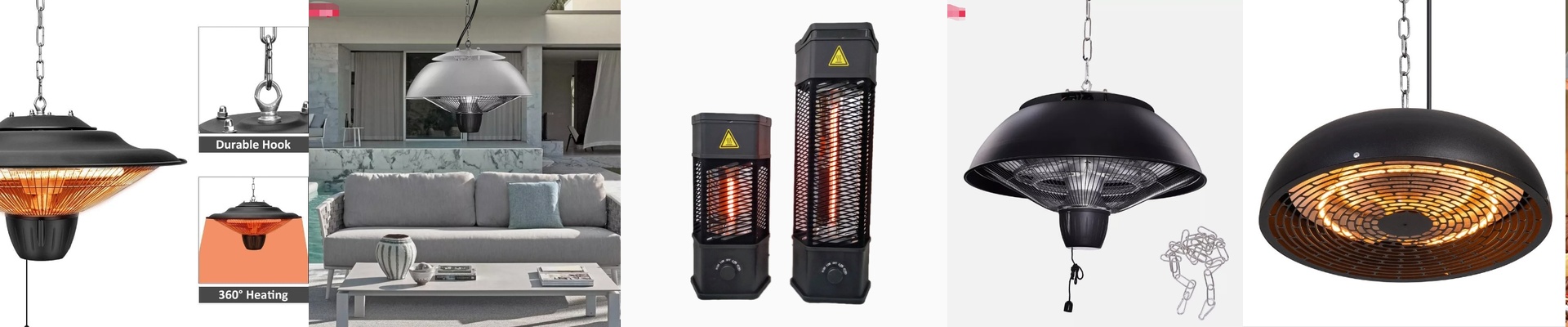
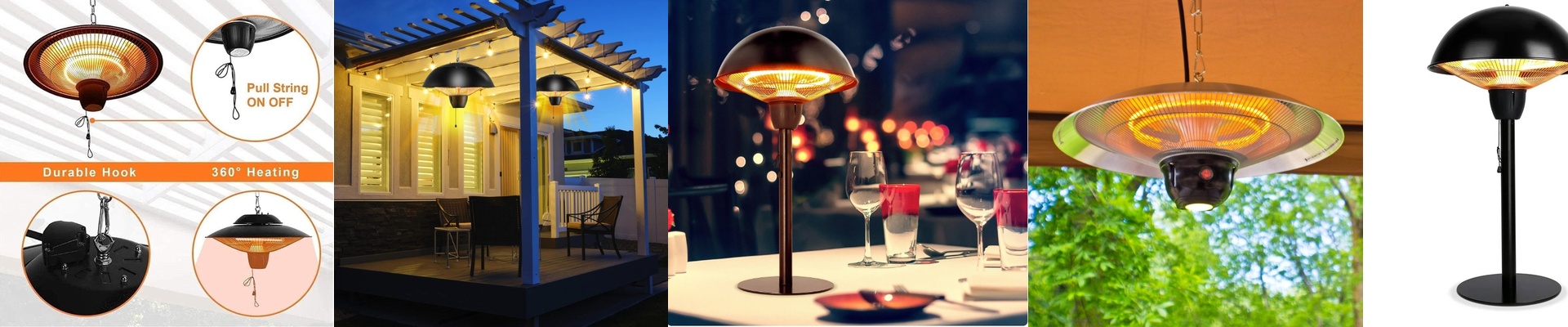
Let’s be honest: chicken coops are brutal on gear. Between the thick dust, the constant moisture, and the ammonia, most equipment just gives up. For a long time, there’s been this “five-year wall.” You buy a heater, it works great, and then one single heating element burns out. Because most of these units are welded shut or permanently fixed, that one tiny failure kills the whole machine. You’re stuck throwing the entire thing in the scrap heap. We got tired of that. So we built our waterproof infrared heaters to be modular. The “Plug-and-Play” Fix Instead of one big, permanent block, we use a module system. If a tube quits on you after five years of hard work, you don’t toss the housing. You just pull out the dead module and drop in a fresh one. It’s fast. Really fast. We’re talking about turning a multi-day downtime headache into a few minutes of work. No rewiring the whole circuit, no calling in a specialist. You just swap the hardware and get back to business. Dealing with the Grime When we talk about “waterproofing” in a coop, we aren’t just worried about a leaky roof. It’s the damp bedding and the floating particles in the air that really do the damage—they create those nasty electrical bridges that short things out. Our sealed housings keep the electrical junctions safe and dry, while the infrared tubes do the heavy lifting. The beauty of infrared is that it heats the birds directly. You aren’t wasting money trying to heat every cubic inch of air in the building. But a heads-up: that kind of heat is intense. That’s why we use mounting brackets that can handle the tubes expanding and contracting. If they can’t breathe, they crack. Simple as that. Gear That Actually Lasts Look, nothing lasts forever. Even the best heating elements eventually wear out. But with a modular setup, you can just keep a couple of spare tubes on a shelf in the barn. When the heat starts to dip or a filament snaps, you swap the part without even touching the main control panel. It keeps the high-voltage stuff isolated and the maintenance dead simple. It turns your heater from something you “use up and replace” into a piece of equipment you actually own for the long haul.