
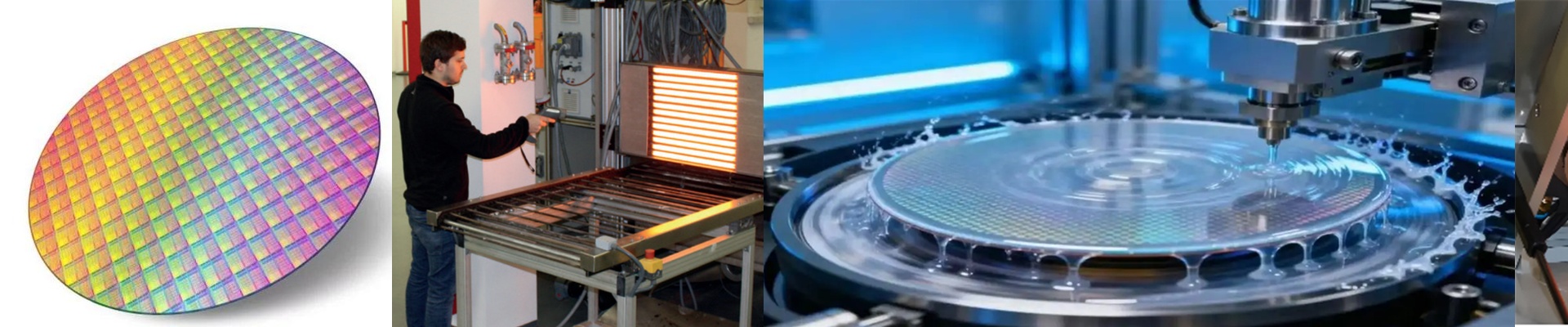
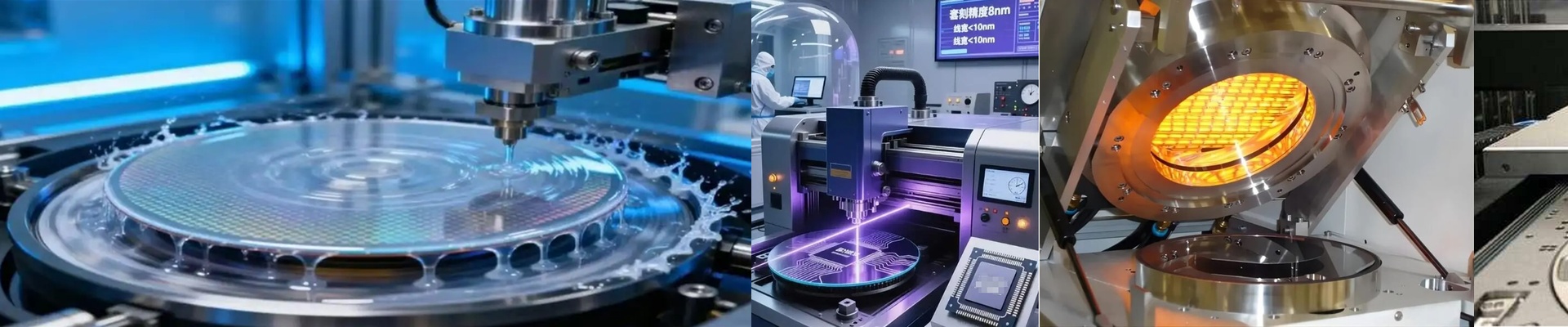

Heating Wafers When Things Get Volatile
Let’s be honest: putting a heating element in a room full of flammable chemical vapors is a nerve-wracking prospect. One tiny spark or a single overheating spot on a chassis, and you’re not just looking at a broken machine—you’re looking at a disaster. That’s why we build our IR lamps differently.
Keeping the Bad Stuff Out
The biggest worry is usually the electrical contacts. If volatile gases sneak in there, you’ve got a problem. We don’t mess around with basic gaskets here. Instead, we use a specialized encapsulation process with high-temperature glass-to-metal seals. It creates a genuine, gas-tight barrier. This does two things for you. First, it keeps those aggressive solvents from eating away at your tungsten filament. Second, and more importantly, it stops external vapors from igniting right where the wires connect. It just gives you some peace of mind.
Managing the Heat (Without the Stress)
Safety isn’t just about the seal, though. It’s about how the heat actually moves. We use short-wave IR emitters because they hit the wafer surface fast. The quicker the energy penetrates, the less time the surrounding chemical air spends soaking up radiant heat. We also beef up the quartz thickness so the lamps don’t crack when you’re cycling the temperature up and down quickly. One heads-up: if you push for higher wattage, that quartz tube is going to get hot.Really hot. If your housing isn’t vented well, the heat will just pool inside the enclosure. To keep things under control, we suggest using a calibrated PID controller. It stops the temperature from overshooting and keeps everything stable.
Getting it Up and Running
We designed these to be easy to swap out. No one wants to spend a whole weekend rewiring a system. The wiring goes through explosion-proof conduits, so if something does go wrong electrically, the fault stays contained. When you’re hooking it up, just make sure your connectors are torqued exactly to spec. You don’t want any arcing. If you’re already using standard IR arrays, these should drop right in. Just double-check that your safety sensors are tuned to the specific wavelength we use, and you’re good to go.