


Infrared Heating vs. Hot Air: Which one actually works for your wafers?
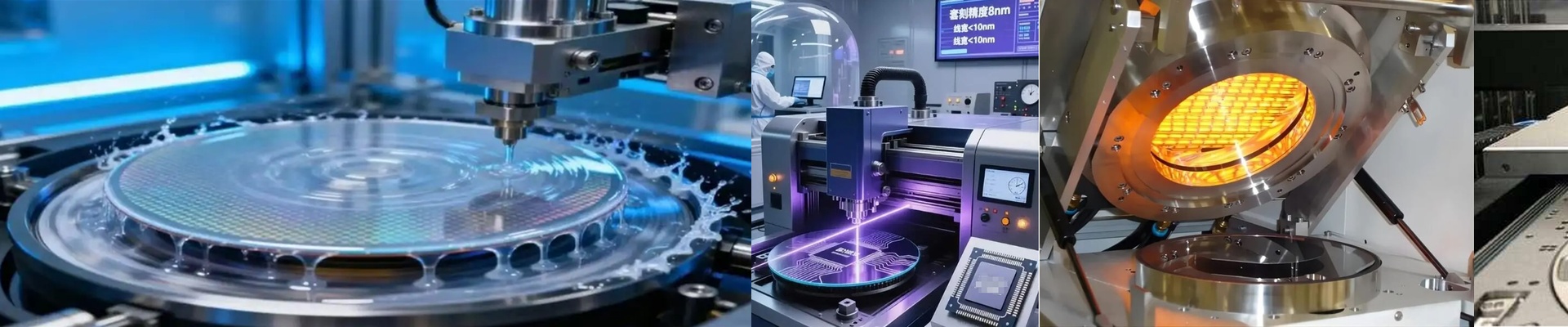
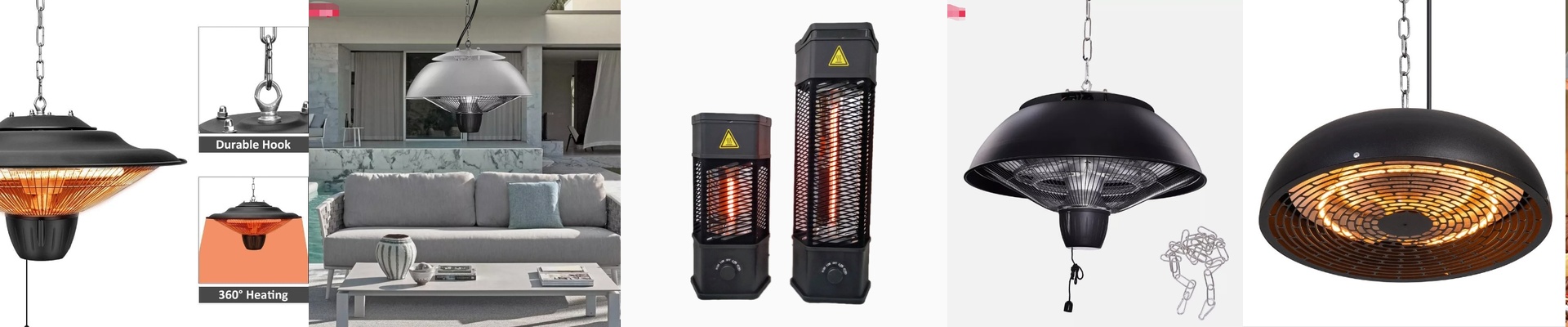
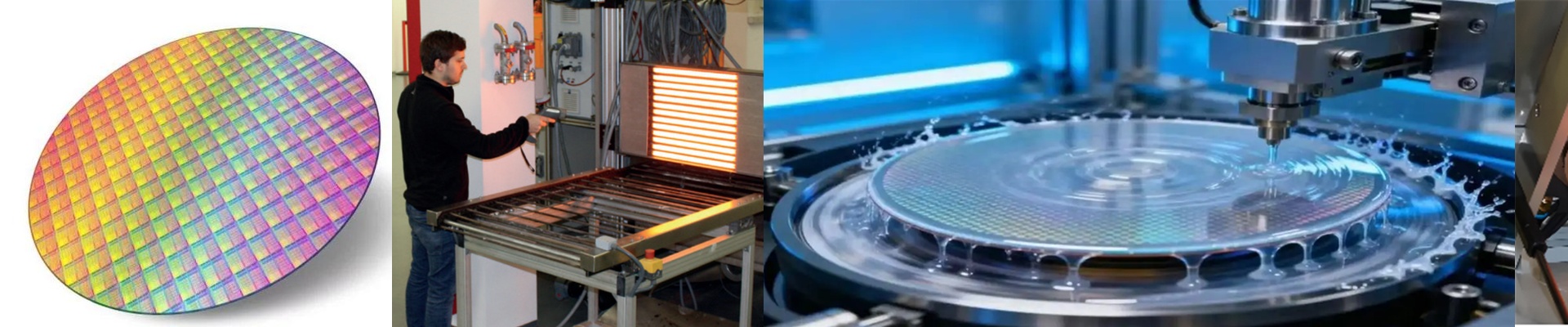
If you’re still using hot air circulation for semiconductor processing, you’re basically playing a waiting game. Think about how it works. You heat the air, the air heats the chamber, and eventually—after a while—the wafer gets warm. It’s a slow chain reaction. IR heating just cuts out the middleman. It uses electromagnetic radiation to send energy straight to the wafer surface. No waiting around. The clock is always ticking In a high-volume fab, every second is money. With hot air, you’re stuck with these long, tedious ramp-up and cool-down periods just to make sure you don’t shock the material. It’s frustrating. But IR lamps? They hit your target temperature in seconds. Instead of waiting for a fan to push warm air around, you’re pumping photons directly into the substrate. It’s fast. Really fast. And that lets you tighten up your process windows and push way more wafers through the line. Finding the “Sweet Spot” Now, you can’t just slap an IR lamp right against the wafer. That’s a recipe for disaster. If the lamp is too close, you’ll get these nasty hotspots that can warp the material. But if you push it too far back, you lose that punchy intensity that makes IR so great. It’s all about finding that perfect safety distance based on how many watts per square centimeter you actually need. The trade-offs you should know about IR is a speed demon, but it has a quirk: it’s directional. Hot air wraps around a part like a blanket. IR only heats what it can “see.” So, if your wafer has a complex shape or you need it to be perfectly uniform from every single angle, a single lamp won’t cut it. You’ll probably need a multi-lamp array or a reflective chamber to bounce the energy around. Just keep in mind that this takes up more room on your floor. And a quick word of caution: get yourself a precise PID controller. Because the energy transfer happens so quickly, it’s easy to overshoot your temperature and fry the whole process if your sensors aren’t reacting in real-time.