

Getting the Heat Right for Bio-Sensors
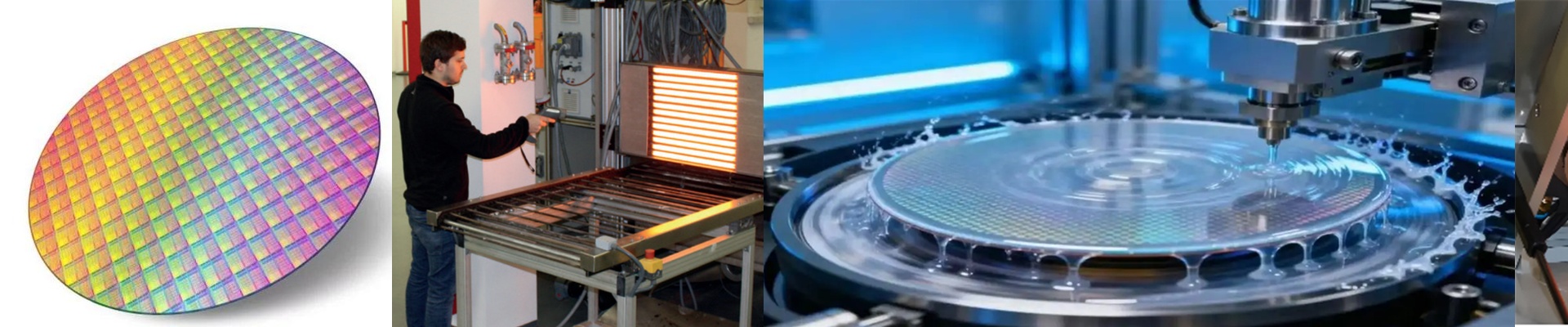
If you’re making bio-sensors, you know the struggle. You’re working with tiny thermal windows where everything has to be just right. If you’re trying to build a “Smart Fab,” you can’t be messing around with slow heaters. You need something that snaps to attention the second your PLC tells it to. That’s why we lean on high-efficiency infrared (IR) lamps. They don’t waste time heating up the air around the part; they just shoot energy straight into the material.
Why IR beats the old way
Think about a traditional oven. You have to wait for the air to get hot, and then wait for that air to heat your substrate. It’s slow. It’s clunky. With short-wave IR, that lag just disappears. The heat hits the target immediately. You ramp up fast. You cool down fast. When you’re running a high-speed production line, that speed is everything. It’s the difference between a bottleneck and a smooth flow.
Closing the loop
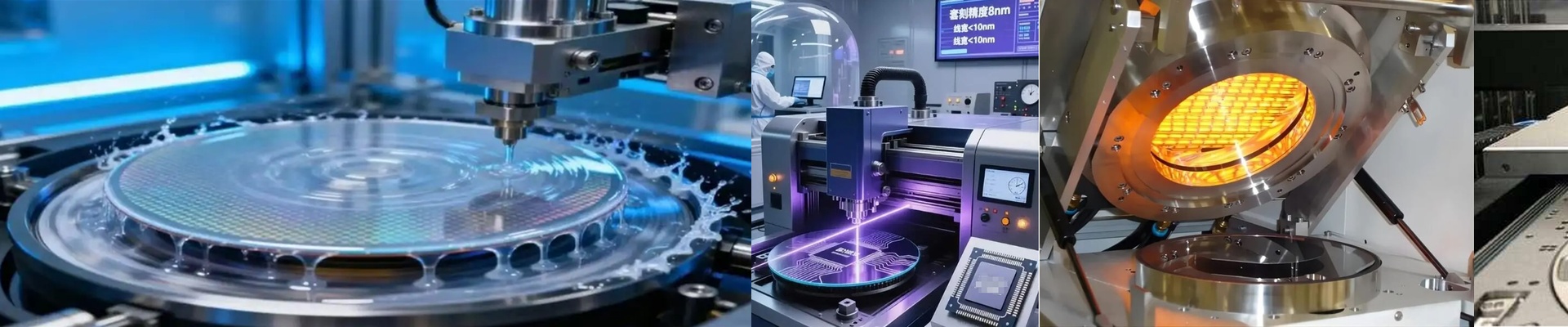
Now, a lamp by itself is just a lightbulb. To actually make this work in a modern fab, you need a feedback loop. We pair these systems with pyrometers and PID controllers. Basically, the system “sees” the surface temperature in real-time and tweaks the power on the fly. Here’s the thing: if your sensors have a strict 2-degree variance, you can’t just set a timer and hope for the best. You need the system to think and react. It stops your parts from burning or ending up under-cured.
The trade-off (and how to handle it)
There is a catch, though. When you cram that much power into a small space, things get hot. Really hot. You have to be smart about your cooling manifolds and ventilation. If you ignore the ambient heat, your electronics will start to sweat, and eventually, the whole system will just shut itself down to prevent a meltdown. That’s a nightmare for your uptime. We usually design these as drop-in replacements for those old, slow resistive heaters. They plug right into your existing power grid. You’ll likely need to beef up your cooling, but once you see how much more you can push through the line, it’s a trade you’ll be happy to make.