
Getting the Heat Right for Bio-Sensors
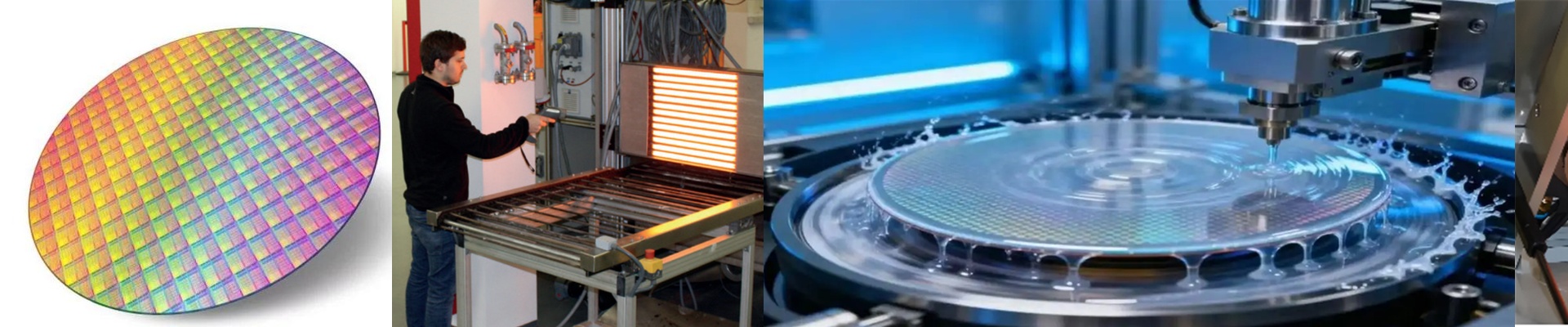
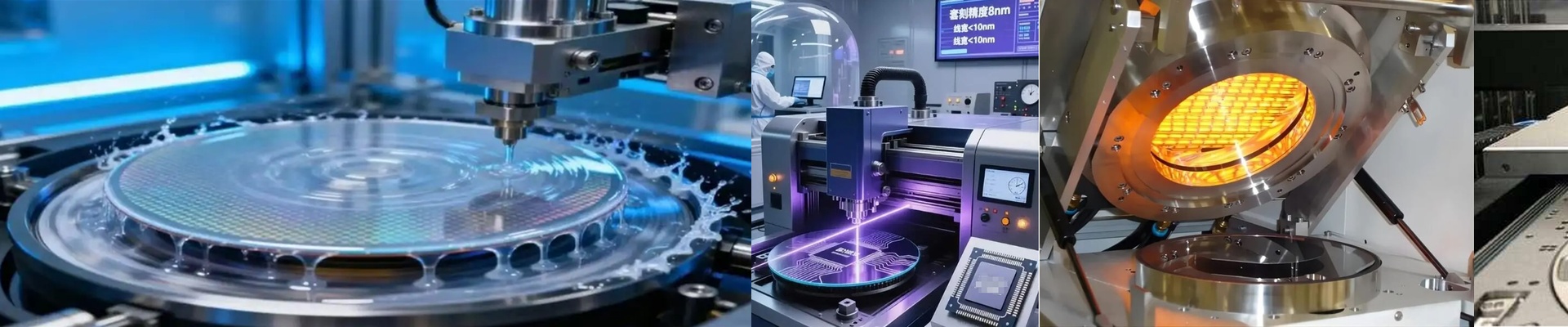
When you’re building bio-sensors, you’re walking a tightrope. You need enough heat to cure your polymers or kickstart your reagents, but if you overdo it, you’ll fry the substrate and ruin the whole batch. That’s why we stick with infrared (IR) lamps. Instead of wasting energy heating up the entire chamber—which is slow and clunky—IR gives you direct, radiant heat. It keeps your fab line lean and your thermal footprint small. Stop the guesswork If you’re running a modern shop, you can’t afford to have your heat source be a “black box” where you just hope for the best. You need to know exactly what’s happening. We pair high-wattage IR lamps with PID controllers and digital sensors so the system actually talks to your PLC. It’s a huge win for high-throughput lines because the ramp-up is incredibly fast. Plus, you can map the heat across the wafer in real-time. No more guessing if the curing cycle actually worked. Picking your wavelength Not all heat is the same. We choose the lamps based on what your bio-material actually absorbs. Need to get deep into the substrate? Go with short-wave IR. Just need to hit the surface? Mid-wave is your best bet. But be careful. If you’re working with a high-density array, you have to watch your wattage. Too much power in one spot and you’ll burn right through those organic layers. It happens faster than you’d think. The practical side of things Integrating this into a smart fab comes with a few headaches—mostly electrical. These IR arrays pull a lot of current, so make sure your power distribution can actually handle the load. And don’t forget the cooling. If your manifolds aren’t pulling away the ambient heat bleed, that “heat soak” will start drifting your sensor calibrations. It’s a nightmare to fix after the fact. One last tip: use quartz-envelope lamps. They keep things clean and the light output stays steady, even after thousands of cycles. It’s just one less thing to worry about.