

Don’t Let Your Heating Setup Blow Up Your Lab
Heating semiconductor cleaning baths is, frankly, a bit nerve-wracking. You’re working with chemical vapors that are basically begging for a reason to ignite. If you just toss a standard infrared lamp into that mix, you’re asking for a disaster. The secret to doing this safely comes down to one thing:**the seal.**You have to make sure the electrical terminals and the outside air never, ever meet.
The Deal with Explosion-Proofing
We use a specific kind of quartz-glass envelope and a hermetic seal. Think of it as a vault. We need to make sure that if a spark happens inside the lamp, it stays inside. Here’s the scary part: in these chemical environments, one tiny leak is all it takes. If those volatile vapors seep inside the housing, the heat from the filament will trigger an explosion. Not great for the equipment, and even worse for the people in the room. To stop that, we use sealing compounds that can actually handle the corrosive stuff used in semiconductor cleaning. We also treat the glass so it doesn’t get “eaten” by the chemicals. If the glass walls get too thin from erosion, the lamp just gives up and burns out.
Heat vs. Stability
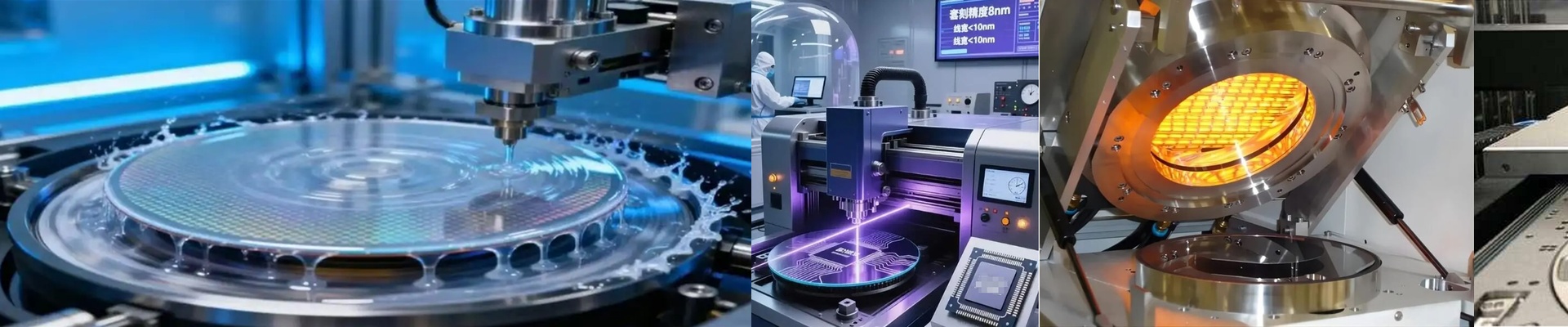
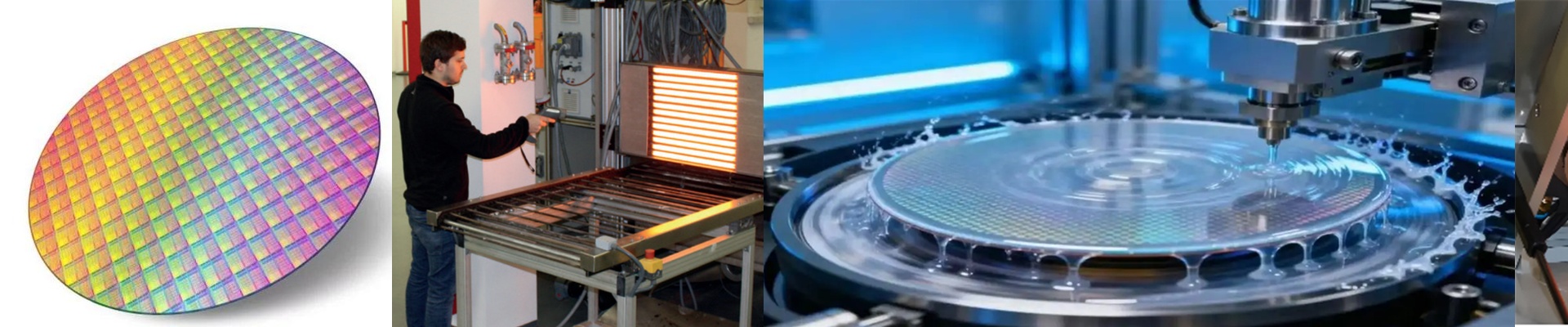
Our infrared arrays are designed to hit those wafers with heat fast. We use short-wave radiation because it cuts through the liquid surface without messing around. But there’s a catch. That kind of intense heat puts a lot of pressure on the seals. You also have to be careful with how you mount them. If your brackets are too tight and don’t leave room for the metal to expand as it heats up, the quartz tube will just snap.Snap.
Real-World Tips for the Shop Floor
When you’re actually wiring these things in, pay the most attention to your junction boxes. Use flame-proof enclosures for every single connection. Remember, the lamp is just one piece of the puzzle. If your ventilation dies and the room fills with vapor, that encapsulation is the only thing standing between you and a catastrophic failure. Do yourself a favor: keep the seals clean and hunt for hairline fractures every time you do maintenance. It’s a five-minute check that saves your skin.