

Stop Wasting Time Waiting for Your Oven to Warm Up
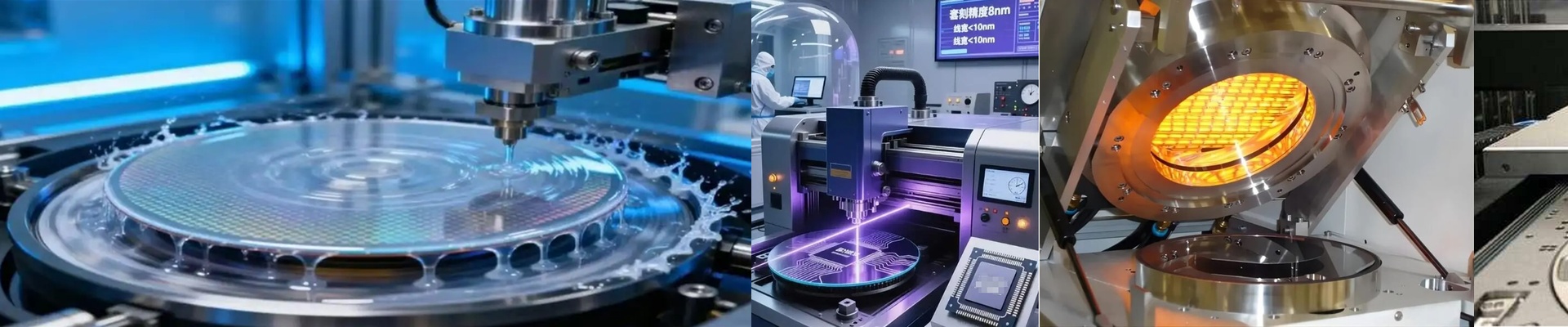
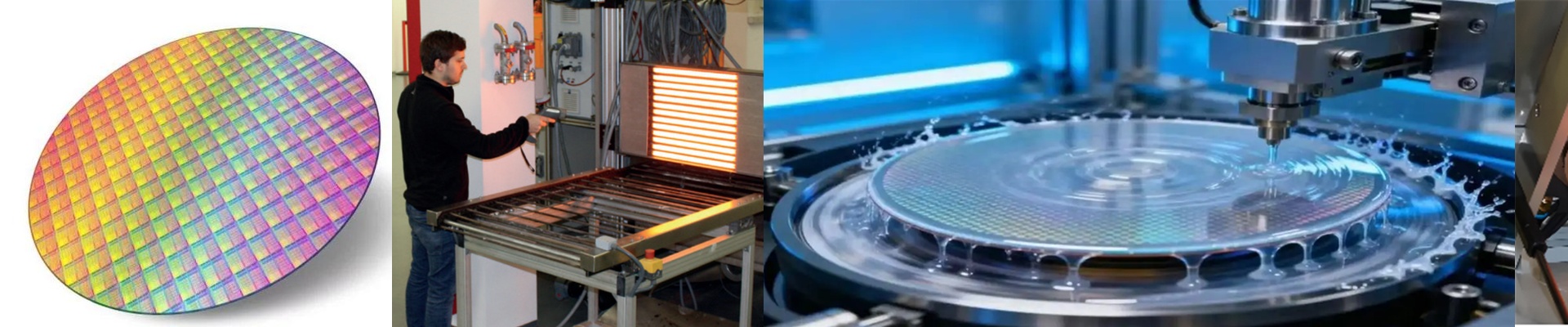
If you’re still relying on hot air circulation for semiconductor processing, you’re basically playing a waiting game. Think about how hot air works. You have to heat the air, then the chamber, and then finally the part. It’s a slow crawl. That lag is a silent killer for your productivity. IR heating changes the math. Instead of warming up the room, it beams energy straight onto the substrate. It’s the difference between waiting for a room to warm up and just stepping into the sun. You hit your target temperatures in seconds. Not minutes. Seconds. The real magic is in the direct hit. With hot air, you’re constantly fighting the chamber walls stealing your heat. It’s a losing battle. IR lamps just skip the middleman. The photons hit the material and turn into heat instantly. For anyone managing a line, this means your thermal profile is actually under your control for once. But here’s the catch: when you’re pumping out that kind of localized heat, things get spicy. Standard wiring just can’t hack it. It melts. It fails. It creates a mess of short circuits that shut down your whole day. That’s why we stick with Teflon-coated wiring. It doesn’t flinch when the heaters are running at full blast. It stays secure, stays intact, and keeps the power flowing without you having to worry about the insulation turning into a puddle. Now, it’s not a magic wand for every single project. You have to be smart about the layout. IR heat is directional—it travels in a straight line. If your part has weird shapes or deep pockets, you’re going to end up with cold spots where the light can’t reach. You can’t just throw these in and walk away. You have to get the lamp positioning exactly right to get a uniform bake. And a quick heads-up: make sure your cooling system can handle the sudden spikes. If you don’t, you might find your chassis getting way hotter than you intended. But if you get the setup right? Your throughput flies.