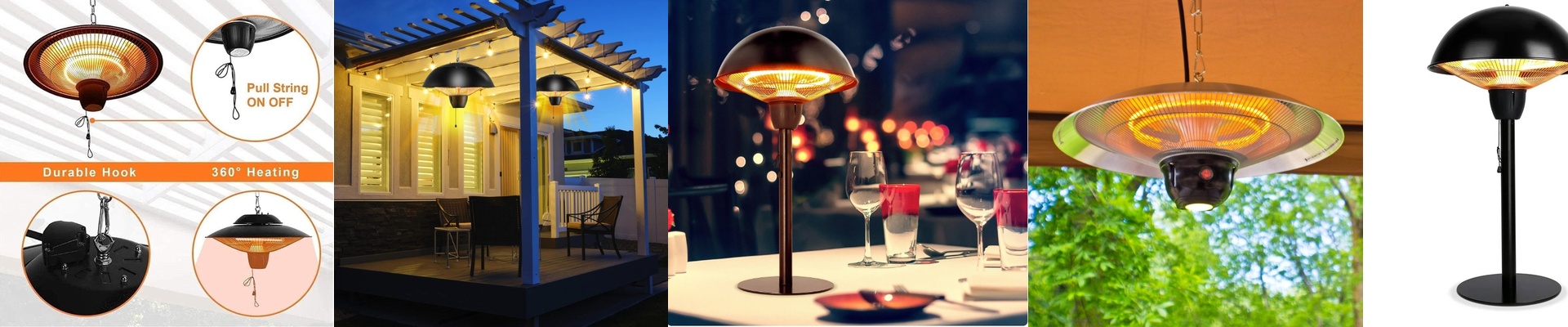


Why we basically try to torture our bathroom heaters
Let’s be honest: bathrooms are a nightmare for electronics. You’ve got intense heat meeting thick steam and the occasional direct splash of water. It’s a recipe for disaster. If a seal fails, moisture sneaks in and hits the electrical terminals. That’s how you end up with a short circuit or a dead filament way before the product should actually wear out. Nobody wants their heater to quit right when they’re stepping out of a cold shower.
Dealing with the “IPX5” stuff
You’ll see the term “IPX5” on the box. In plain English? It means we make sure the unit can handle water jets hitting it from any angle. We don’t just give it a light sprinkle and call it a day. We blast it. To make this work, the gasket between the lamp housing and the reflector has to be perfect. If there’s even a tiny gap, vapor crawls inside. Once that moisture settles on the wiring, it creates a path for electricity to go where it shouldn’t. That’s usually when your GFCI breaker trips and leaves you in the dark.
The “Damp-Heat” torture test
Standard quality checks are fine, but they don’t tell the whole story. That’s why we put every batch through what I call the “aging” process. We shove these lamps into a chamber and cycle them between extreme heat and 95% humidity for hundreds of hours. It forces the materials to expand and shrink over and over. It’s the only real way to know if a seal is going to crack or if the coating will peel after six months of actual use in your home. We watch for “creepage”—that slow, sneaky migration of moisture across the insulation. If a lamp fails, we go back to the drawing board, tweak the housing, or find a better sealant.
The tricky part: Heat vs. Water
Here’s the catch. Tight seals are amazing for keeping water out, but they’re great at trapping heat, too. If we seal the unit completely shut, the internals can actually get hotter than a heater that’s open to the air. If we go too far with the waterproofing without thinking about the airflow, the electronics will basically cook themselves. It’s a balancing act. We spend a lot of time tuning the airflow so the guts of the machine stay cool, while the water stays exactly where it belongs: outside the wires.