

Introduction
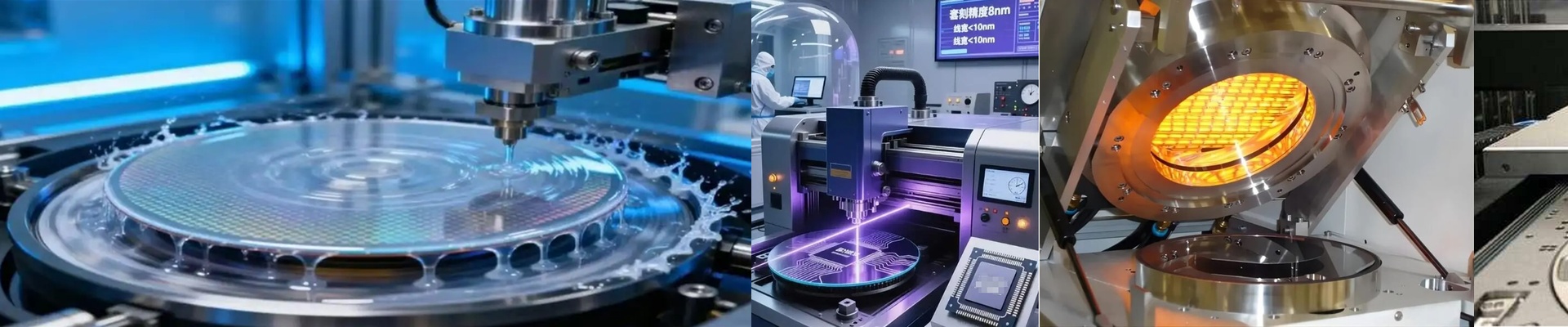
Picture this: you’ve got a machine that’s tight on space, and you need heat—fast. That’s exactly what we built the 2026 electric heater for. It’s not about warming up the whole room. It’s about putting intense, focused heat exactly where you need it, right when you need it. Think of it as the sniper of industrial heating, built for jobs that demand precise, repeatable temperature control.
What’s Under the Hood
Let’s get into the details, because they’re what matter when you’re out on the floor. The 400V voltage rating is a smart move. It keeps the current down, so you can run a higher wattage without having to overhaul the wiring. The tube is just 300mm long. That’s intentionally compact, so it slips into tight spots like crowded heating blocks or snug reflector cavities. And the 2500W power? That’s serious heat density. It gets surfaces hot, and it does it quickly. Just know that with this kind of power, you need to make sure the surrounding components are ready for the heat.
The Build and the Brains
Here’s the magic of the design. Halogen technology keeps the filament stable. It works by putting the tungsten that evaporates back onto the filament. This not only extends the lamp’s life but also keeps the output steady. The quartz envelope is tough. It handles rapid heating and cooling without cracking under the pressure. An internal reflector coating makes sure more of that infrared energy is pushed forward. That means better efficiency right in the work zone. And the R7s base? It’s a direct, drop-in fit. No fiddling with adapters. You pop it in, lock it down, and you’re back up and running.
Who It’s For, and What It Feels Like
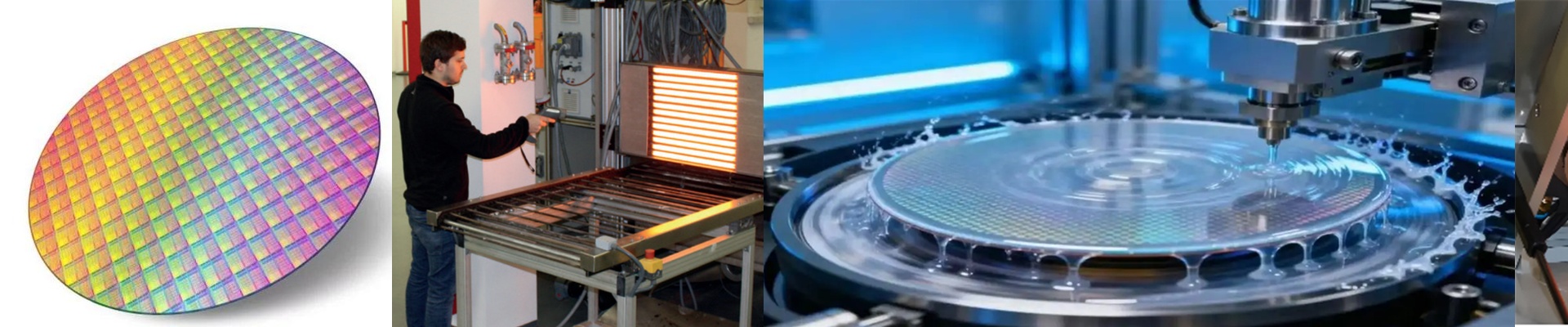
This heater was made for the engineers running PET blowing, thermoforming, and other plastics processing lines. You get that quick warm-up, the temperature holds steady, and the small size fits right into your existing setup. But let’s be honest—there’s a trade-off. That much heat packed into a small space means you need to manage it properly. You’ve got to make sure you have enough airflow to protect the electronics and insulation nearby. It’s a powerful tool, and like any powerful tool, it works best when you respect what it can do.