
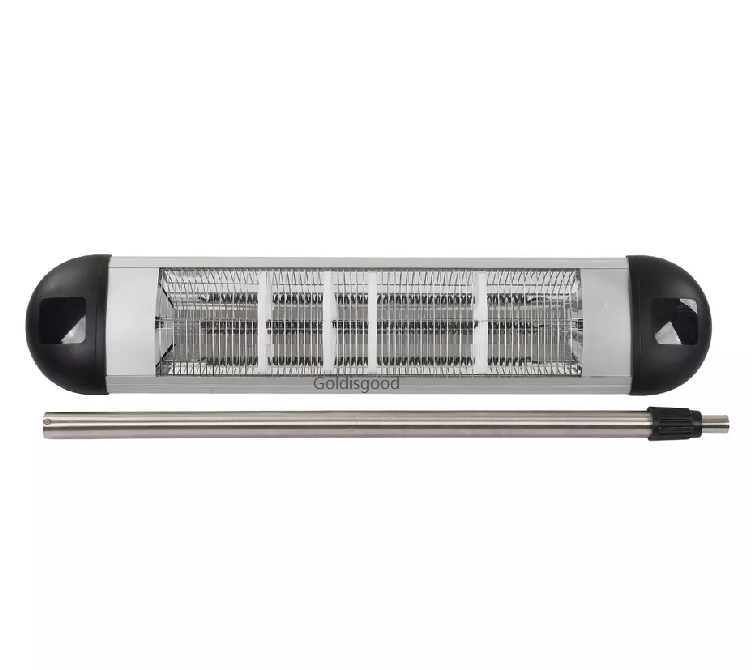
Why Your Bathroom Heater Actually Dies (And How We Fix It)
If you’ve ever had a bathroom infrared heater quit on you, you probably assumed the heating tube just burned out. But here’s the thing: that’s rarely the case. Most of the time, the real culprit is the lead wires. Think about it. You’ve got a high-wattage element cranking out heat in a room full of steam. That spot where the wire meets the lamp? That’s where all the stress lives. It’s the weakest link in the chain. The battle against heat and humidity Most heaters are put together with basic glue or loose crimps. In a steamy bathroom, those leads just take a beating. The heater turns on, gets scorching hot, then cools down. Over and over. Eventually, that heat makes the insulation shrink and crack. Once it pulls back, you’ve got bare copper exposed. Throw some moisture into the mix, and you’re looking at sparks, short circuits, and a dead heater. We do things differently. We use a multi-stage potting process with heavy-duty silicone or epoxy that can handle the heat without flinching. It creates a solid physical barrier that locks the wire in place. The insulation can’t slide back because it literally has nowhere to go. The difference is in the bubbles You’ll see a lot of “budget” heaters that use a “dip and dry” method. It looks sealed on the surface, but the bond is weak. We use vacuum-degassing. It sounds fancy, but it just means we suck all the tiny air bubbles out of the sealant. Why? Because air pockets expand when they get hot. If there’s a bubble in your seal, it’ll eventually pop and create a crack. A bubble-free seal means the wire stays put, no matter how many hundreds of times you flip that switch. One small catch There is a trade-off, though. Because our seals are so solid, the leads are a bit stiffer. If you’re installing these, don’t try to bend the wires into a sharp angle. You’ll risk cracking the potting compound. Just give the wires a nice, generous curve when you’re fitting them into the chassis. It’s a simple step, but it’s worth it. If you go with the cheap stuff, you’re just waiting for a “burnt-out” terminal to send the unit back for a refund. By getting the sealing right, the only thing you have to worry about is the natural lifespan of the lamp itself.