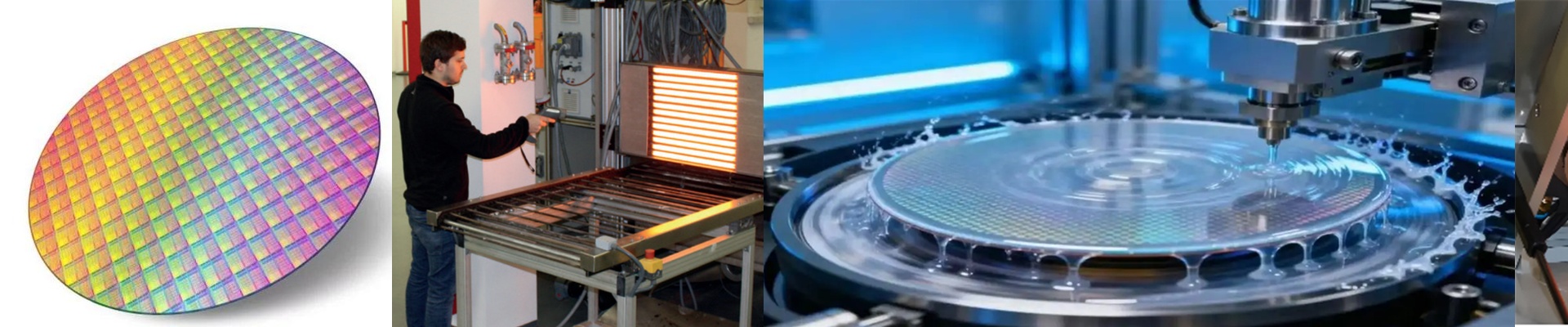
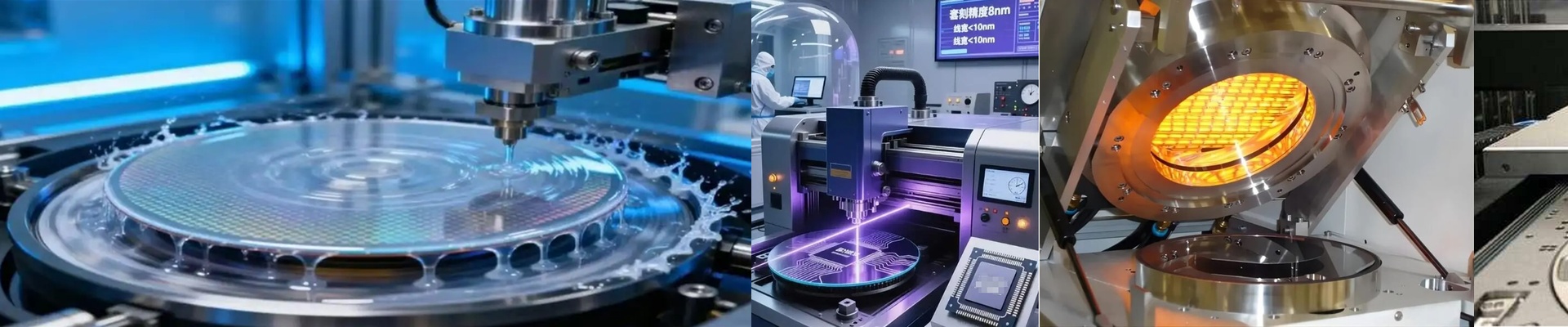

On the fab floor, you can’t afford drift. A 0.3°C shift in the photoresist bake and your critical dimension budget is gone. Yield slips before the etch chamber even sees the wafer. We built our custom industrial infrared fab system to keep that from happening—by making thermal control follow the process, not the other way around. آنجا که روی خط تولید هستید، هیچگاه نمیتوانید تغییر دما را نادیده بگیرید. تغییر ۰.۳°C در پخت فوتورزیست باعث از دست رفتن بودجه ابعاد بحرانی میشود. بازده پیش از آن که اتاقک اچ حتی ویفر را ببیند، کاهش مییابد. ما سیستم سفارشی صنعتی مادون قرمز خود را ساختیم تا این اتفاق نیفتد—با اینکه کنترل حرارتی را بر اساس فرآیند تنظیم کنیم، نه برعکس.
What matters technically is simple: match the thermal profile to lithography and photoresist needs. We do it with NIR emitters, fast-response quartz elements, and closed-loop control that holds wafer-level uniformity at ±0.1°C across soft bake and hard bake. Cleanroom compatibility isn’t an afterthought—Class 1–100 operation, zero particle generation, low outgassing materials, and sealed optics and fixtures. از نظر فنی، موضوع ساده است: تطبیق پروفیل حرارتی با نیازهای لیتوگرافی و فوتورزیست. این کار را با انتشاردهندههای NIR، عناصر کوارتز با پاسخ سریع و کنترل حلقه بسته انجام میدهیم که یکنواختی سطح ویفر را در محدوده ±0.1°C در پخت نرم و سخت حفظ میکند. سازگاری با اتاق تمیز موضوعی فرعی نیست—عملکرد کلاس ۱ تا ۱۰۰، عدم تولید ذرات، مواد با گازدهی پایین و اپتیکها و اتصالات کاملاً آببندی شده.
The target is repeatability. Temperature stability that keeps line width, exposure latitude, and defect density within spec, lot after lot. The system is built for 24/7 duty, with high MTBF and service access that keeps unplanned downtime off the board. هدف، تکرارپذیری است. پایداری دما که عرض خط، گستره نوردهی و چگالی نقص را در هر دسته مطابق مشخصات نگه میدارد. سیستم برای کارکرد ۲۴/۷ طراحی شده، با MTBF بالا و دسترسی سرویس که زمانهای توقف غیرمنتظره را به حداقل میرساند.
Why this works in practice? Advanced nodes run tight thermal budgets. A brief overshoot degrades the photoresist. A lag in cool-down wastes carrier moves. Our infrared platform delivers rapid, localized heating with precise spatial control, so every wafer sees the same bake curve. چرا این در عمل کار میکند؟ نودهای پیشرفته بودجه حرارتی بسیار دقیقی دارند. افزایش دمای کوتاهمدت باعث افت کیفیت فوتورزیست میشود. تأخیر در خنکسازی باعث اتلاف حرکت حامل میشود. پلتفرم مادون قرمز ما گرمایش سریع و موضعی با کنترل فضایی دقیق ارائه میدهد، بهطوریکه هر ویفر منحنی پخت یکسانی را تجربه میکند.
That translates to fewer scrap lots, tighter CD distribution, and stable defect performance. Energy use drops because heat is delivered on demand, not held in a massive hot plate. Maintenance intervals stretch because the design avoids hot spots and the stress of repeated thermal cycling. این به معنای کاهش دستههای ضایعات، توزیع دقیقتر CD و عملکرد پایدار نقص است. مصرف انرژی کاهش مییابد زیرا گرما به صورت تقاضا داده میشود نه اینکه در صفحه داغ بزرگی نگه داشته شود. بازههای نگهداری طولانیتر میشوند چون طراحی از نقاط داغ و تنش ناشی از چرخههای حرارتی مکرر جلوگیری میکند.
Here is the thing about integration: it isn’t plug-and-play. The emitter array, sensors, and controller have to line up with your tool envelope, wafer handling path, and existing recipes. Expect a short commissioning window to tune emissivity, scan speed, and dwell time for your stack. نکته درباره یکپارچگی این است که این یک راهکار plug-and-play نیست. آرایه انتشاردهنده، حسگرها و کنترلر باید با فضای دستگاه شما، مسیر حمل ویفر و دستورالعملهای موجود هماهنگ شوند. انتظار داشته باشید یک بازه کوتاه راهاندازی برای تنظیم ضریب تابندگی، سرعت اسکن و زمان توقف برای لایهبندی خود داشته باشید.
Once the profile is locked, the process stays in control. That repeatability is what you can bank. زمانی که پروفیل تثبیت شد، فرآیند تحت کنترل باقی میماند. این تکرارپذیری چیزی است که میتوانید روی آن حساب کنید.