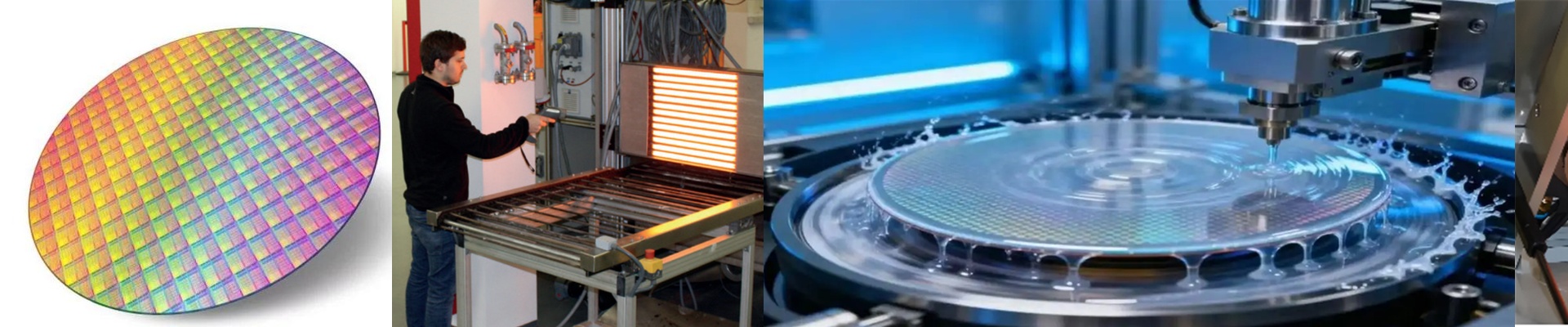
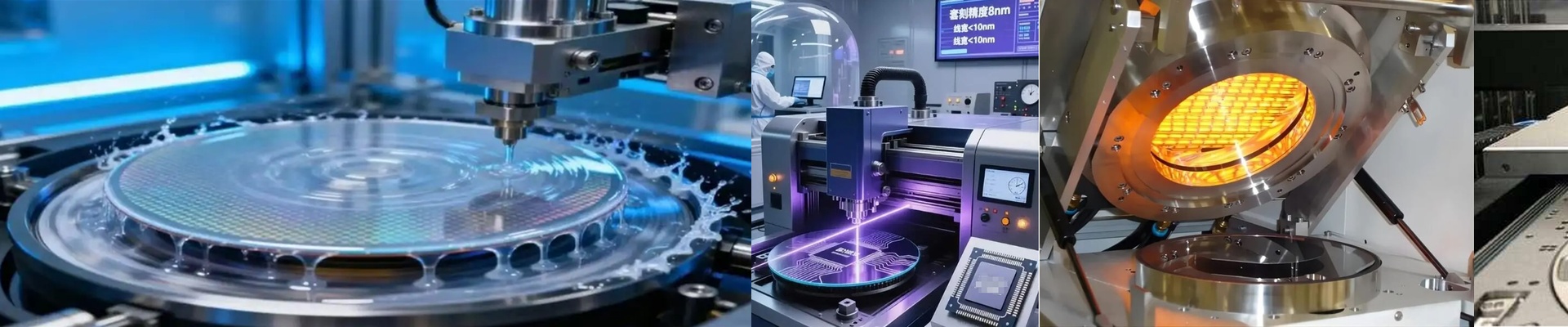

On the lithography floor, a 0.5°C drift in the photoresist bake is the kind of mistake that scraps a full carrier before you even know it happened. You need heat that lands exactly where the process card calls for it—every single time—without adding particles or introducing variability.
What matters, technically
We built the twin-tube infrared lamp around short-wave NIR elements and quartz components chosen for rapid, directional heating with minimal thermal inertia. The core spec is temperature uniformity across the target zone: ±0.1°C, measured and kept in closed-loop control. It’s cleanroom-ready for Class 1–100 environments, with materials and assembly choices that keep particle generation as close to zero as you can practically get. In day-to-day terms, that means soft bake and hard bake profiles you can count on—stable across shifts, across lots, and even as the lamp ages.
Why this works in production
In semiconductor thermal steps, temperature is only half the story. The real scoreboard is yield. This lamp gives you consistent wafer-level thermal budget control, so critical dimensions stay in spec and photoresist profiles stay predictable. The payoff shows up as tighter process windows, fewer reworks, and less scrap. Energy use comes down too, because the lamp heats on demand and cools quickly—no steady bleed from a conventional oven. Reliability shows up where it matters: uptime. Units routinely run 5,000+ hours with less than 5% output drop, which means fewer change-outs and fewer surprises.
What you need to plan for
Installation comes down to orientation and clearance. Mount the lamp within the equipment’s specified standoff; otherwise you risk losing uniformity and creating localized hot spots. Expect a short ramp-up after a cold start while everything thermally stabilizes. And plan calibration intervals so that ±0.1°C window stays locked over long production runs. When you respect those constraints, the lamp behaves like a process constant—not another variable you have to chase.